Your Renewal Book Has 47 Contracts Expiring and No Health Score
VP CS opens the renewal tracker Monday, 47 contracts expiring in 90 days, 34 with no health score, one $340K account silent. Renewal ops is a function you never staffed.
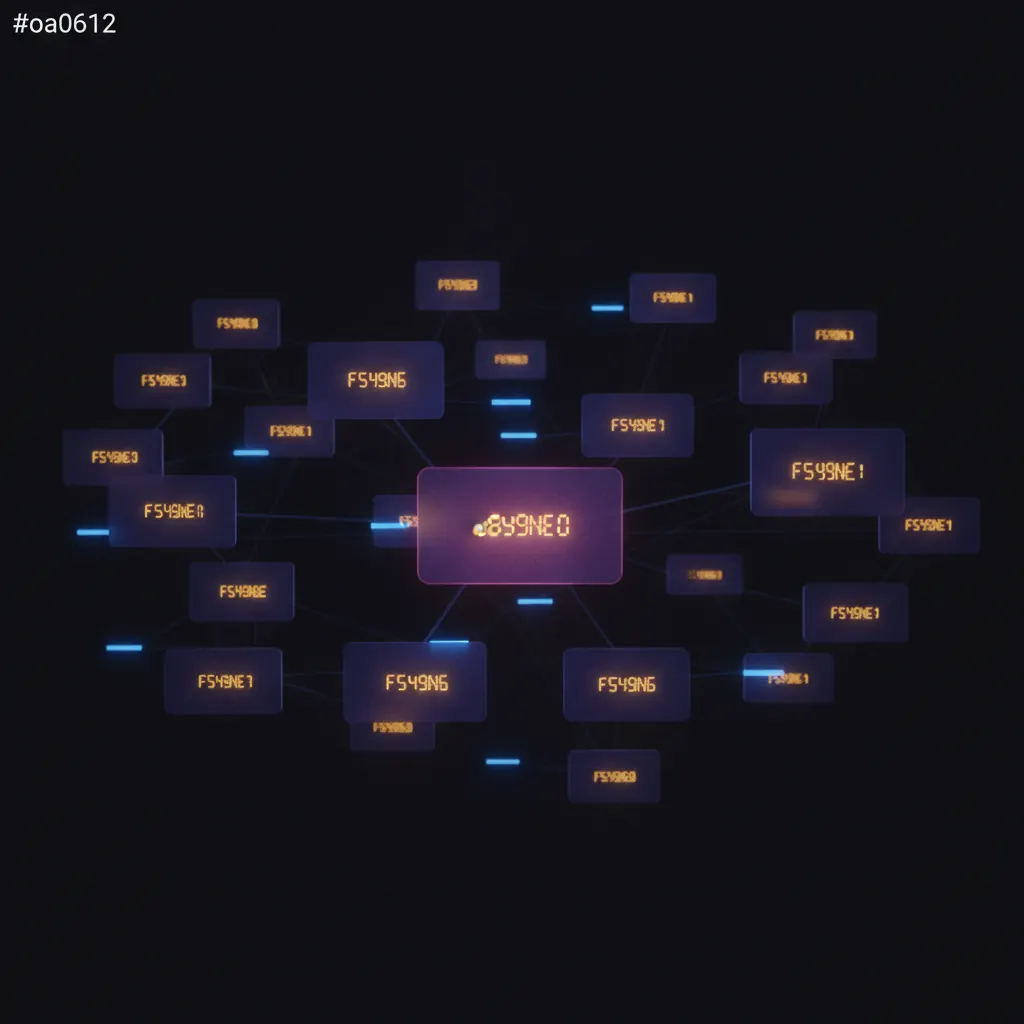
It is Monday, 9:14 AM. Your VP Customer Success opens the renewal tracker. 47 contracts expire in the next 90 days. She sorts by ARR. The top row is a $340K account that logged four support tickets in June, zero product logins in the last 21 days, and a champion who left the company on May 30th. Health score column: blank.
She scrolls. A $180K account renews August 14th, health score last touched February, CSM assignment reads "unassigned" since the pod restructure. A $95K account renews September 3rd, product usage down 62 percent quarter over quarter, no QBR logged since March. Fourteen accounts on the list carry an auto-renew clause the buyer has 60 days to cancel. Seven of those 14 sit inside their cancel window right now.
Pull the last four quarters. 168 renewals shipped, gross retention 84 percent, net retention 102 percent, 11 unforecasted churn events with a combined $1.9M ARR walking out mid-quarter. The board deck shows net retention. The board deck does not show that six of those 11 accounts had a red health signal 60 days before churn and no owner opened the ticket.
Renewal operations is a function. Most Series B and C teams have not staffed it because the first 20 renewals ran through the founder and the CSM lead sending a personal email in the month of expiry. The count grew to 168 a year across three products, two contract templates, an auto-renew clause the legal team added in 2024, a Gainsight instance three CSMs share, and a "Renewals" tab in the CRM nobody has cleaned since the pod restructure. The function lives in the gap between the VP Customer Success who owns the number, the CSM who owns the account, the RevOps lead who owns the forecast, the product analyst who owns the usage data, and finance who owns the invoice. On the org chart it sits under Customer Success. In practice it sits inside a spreadsheet the RevOps lead rebuilds every Friday.
The 34 accounts with no health score
Pull the renewal tracker. Filter by days-to-expiry under 90. Count accounts with a stale health score. Count accounts with no CSM assigned. Count accounts with product usage down more than 30 percent quarter over quarter. Count accounts with an auto-renew clause inside the cancel window. Most teams past Series B find 60 to 75 percent of expiring accounts on a stale health score, 15 to 25 percent with no CSM of record, and 20 to 30 percent showing a usage decline nobody has flagged.
Walk one account. The $340K enterprise renewal, expires September 30th. The buyer signed in October 2024 through a champion who ran platform operations. That champion resigned May 30th. The CSM logged the resignation in a Notion doc, did not update the health score, did not open a new relationship map. In June the account opened four support tickets against the onboarding flow for a new admin. Two tickets closed inside SLA. Two sat past first-response for nine days. Product usage dropped 41 percent in July. The renewal forecast still shows the account at commit.
The team that should own this knows it is broken. The VP Customer Success runs a Monday pipeline call that sorts by ARR and hides health score behind stage. The CSM lead carries 34 accounts and does a real touch on the top eight. The RevOps lead rebuilds the renewal forecast on Friday afternoons from a CRM export that misses last-week usage data. The product analyst ships a usage dashboard three CSMs open once a month.
Hiring a renewal manager is the slow answer
The textbook fix is a senior renewal operations lead or a customer success ops manager. Loaded comp in the US runs $130K to $175K a year. Months one through three go to auditing the health-score model, mapping every renewal against a cancel-window date, and rebuilding the CSM assignment logic. Months four through nine are when unforecasted churn drops from 11 accounts a year to two, health-score freshness moves past 90 percent, and net retention lifts two to four points on the same book.
The fractional version is faster and stops at the same wall. Six to nine thousand a month buys ten to fifteen hours a week of senior CS operations work. The first month rewrites the health-score inputs and the cancel-window watch list. The 168-a-year renewal volume keeps drifting because a fractional lead cannot rescore every account weekly, watch every usage signal daily, draft every save play the CSM ships, and rebuild the forecast the day a champion leaves the buyer's org.
Both versions assume the work is a person auditing a dashboard on a cadence. The work itself is scoring every account weekly against usage, support, product adoption, and champion signal, watching every cancel window and paging the CSM 45 days before the buyer can walk, catching every champion departure on the same day it hits LinkedIn, drafting every save play the CSM signs and sends, running a live renewal forecast that reconciles CRM commit against usage, flagging every account with a red signal 60 days out, and posting a renewal health digest the CFO reads before the board call. On 168 renewals across 47 in-quarter accounts that is 40 to 55 hours a week of senior CS operations work. No single hire clears that pile and holds the net retention number at the same time.
What a fractional AI renewal function does
Hand the renewal tracker, the CRM, the Gainsight instance, the product usage feed, the support ticket queue, the contract terms library, and the last four quarters of renewal outcomes to a fractional AI agent. The agent does the work a renewal operations lead, a CS operations manager, and a product analyst would do together. The cadence is per-week on health scoring, per-day on usage watch, per-departure on champion tracking, per-45-days on cancel-window paging, and per-Friday on the health digest.
Every account rescored weekly. The $340K enterprise renewal shows a red score Monday morning. Inputs: champion departure logged, product usage down 41 percent, two support tickets past first-response SLA, no QBR since March. The score lands in the CSM Slack thread with the four inputs cited and a proposed save play.
Every cancel window paged 45 days out. The 14 accounts on auto-renew get a CSM ping the day they hit 45 days from cancel deadline. The ping includes the contract clause, the buyer's cancel notice format, the current health score, and a drafted retention outreach.
Every champion departure caught the same day. The Head of Platform Ops posts a new role on LinkedIn Wednesday. By Thursday the agent has flagged the account, opened a fresh relationship map, drafted an intro thread to the incoming admin, and paged the CSM to book a 20-minute call.
Every save play drafted for CSM signoff. The $180K account with the stale health score gets a save play built from three prior wins on similar profiles. The draft names the two features underused, the executive sponsor the CSM should reengage, and a 30-day usage target.
Every renewal forecast reconciled against usage. The Friday forecast shows commit, best case, and worst case per account with the usage signal cited. Six accounts move off commit into best case because usage dropped past the threshold this week. The CFO reads a forecast tied to a live number instead of a CSM gut call.
The unit economics of an unwatched renewal book
A Series B company at $22M ARR sitting on 168 renewals and 11 unforecasted churn events is burning three specific things. The VP Customer Success, two CSMs, the RevOps lead, and the product analyst spend a combined 14 to 20 hours a week on health-score cleanup, forecast rebuilds, and account triage against a fully loaded hour of $180 to $310. That is $10K to $25K a month of senior time on work a live agent clears. The CSM lead gets six to nine hours a week back inside the first sprint.
The retention line is the second one. Six of eleven prior churns carried a red signal 60 days out. Catching four of those six with a save play that ships inside a working week holds $700K to $1.1M of ARR the forecast currently writes off. Net retention lifts two to four points on the same book without a single new logo.
The forecast line is the third. A renewal book where every Friday the CFO reads a forecast tied to live usage cuts the board deck delta between commit and actual from 8 to 12 percent to under 4 percent. The weekly business review starts on a real retention number.
A 14-day sprint to stand up the agent runs in the low to mid five figures. Ongoing cost lands closer to one Gainsight seat than a renewal operations hire. Health scoring and cancel-window paging run in week one. Champion tracking and save-play drafting run in week two. The forecast reconciliation runs off a live feed before the sprint closes.
What changes after the sprint
Picture the same Monday, 9:14 AM moment, thirty days after the sprint ships. Your VP Customer Success opens the renewal tracker. 47 contracts expire in the next 90 days. The $340K account shows a red health score from last Wednesday, a save play drafted Thursday, an executive sponsor call booked for Friday, and a fresh relationship map with two new admin contacts logged.
By Monday the CFO reads a renewal health digest that names the six accounts in save motion, the three accounts inside the cancel window with retention outreach shipped, and a forecast delta under four percent against Friday's commit. The CSM lead runs point on the top eight accounts because the agent cleared the health-score triage. The RevOps lead reviews a forecast tied to live usage instead of rebuilding from a stale export.
If your renewal book currently sits at 47 in-quarter contracts with 34 on a stale health score and 11 unforecasted churn events on last year's ledger, the version where every account rescores weekly and every cancel window pages the CSM 45 days out is fourteen days away. Renewal operations is a function. You can hire against it, you can retain a fractional lead for it, or you can scope a sprint and have it running this month. The work is the same. The math is not.
 2026-10-07
Your Help Center Has 340 Articles and Six Were Updated This Quarter
Head of Support opens Zendesk Monday, 340 KB articles live, six updated this quarter, 94 flagged outdated by ticket data. A function nobody staffed.
- 2026-10-05
How ShakeGasm Leverages AI in Party Game Design in 2026
ShakeGasm uses AI as a game-design co-pilot, generating ruleset variants for phone-sensor party games. Here is how consumer-fun apps use AI differently.
 2026-10-02
Your Customer Onboarding Takes 94 Days and 27% Churn Before Second Invoice
VP CS opens implementation tracker, 34 accounts, oldest 148 days post-kickoff, 27% churn before second invoice. Onboarding is a function you never staffed.