Your Q4 Renewal Book Has 84 Accounts and CS Started Two Playbooks
Your VP CS opens the renewal tracker Monday, 84 accounts due Q4, two health playbooks running, $6.4M ARR on the table. Renewals is a queue nobody staffed.
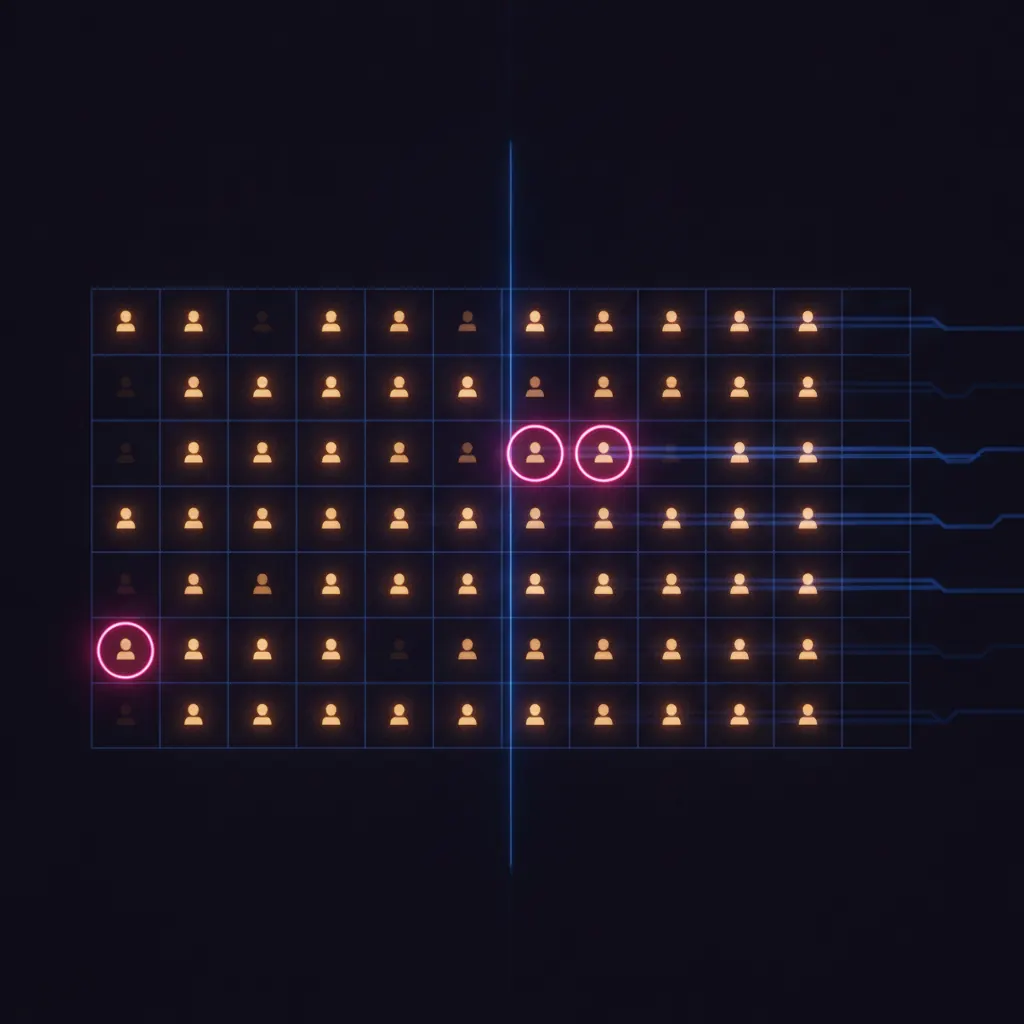
It is Monday, 9:12 AM. Your VP Customer Success opens the renewal tracker with the second coffee. The Q4 tab lists 84 accounts on the renewal calendar between October 1st and December 31st. $6.4M in gross ARR sits on those lines. The health-score column reads green on 41, yellow on 22, red on 14, and blank on 7. Two accounts have an active save playbook running. The other 82 have no owner-authored plan on the page.
Her four CSMs cover 340 accounts each. The Q4 book got assigned in July with a Notion doc titled "Q4 Renewal Prep" that has one comment on it from August 3rd. The forecast tab reads $5.8M booked against a plan of $6.1M. The gap is a $340K downgrade the CFO has not seen and one $410K logo that stopped opening the QBR deck in July.
She drops "Q4 renewal risk review Thursday, pulling the red-account list now" into the exec channel. Thursday lands with a spreadsheet of 14 red accounts, four owners, and no save motion on 11 of them. The founders in this seat keep opening a Senior CSM req and wondering why gross retention drifted from 94 to 88 percent across two quarters. Renewals is not a headcount. Renewals is a nine-stage queue that starts 120 days before the contract date and ends with a countersigned order form, and nobody on the org chart works the queue on cadence.
The 84 accounts, by the numbers
Sort the renewal tab by contract date. 22 accounts renew in October, 34 in November, 28 in December. Of the 84, 41 have a logged QBR in the trailing 90 days. 22 have a QBR older than 120 days. 14 have never had a QBR since onboarding. 7 have a blank health score because the product-usage feed broke in June and nobody re-plumbed the pipe.
Of the 14 red accounts, one CSM owns 6, another owns 4, the VP owns 3, and one sits unassigned. Four of the six the top CSM owns have not had an exec-sponsor touch since April. The $410K logo has an open support ticket from July 22nd escalated twice with no engineering ETA, and the buyer's Slack channel went from 34 messages a week in Q1 to 3 a week in August. The signal on that account moved four months ago and the tracker still reads yellow.
The CSM who owns the QBR does not own the product-usage dashboard. The RevOps analyst who owns the health score does not own the save playbook. The support engineer who owns the escalated ticket does not own the renewal narrative. The AE who signed the deal 22 months ago does not own the expansion motion the renewal is supposed to open. Four owners across four teams, one queue, zero handoffs on cadence. The forecast slide reads $5.8M and drifts down every Friday, and the 214-day AE ramp gets the search retainer the renewal queue never earned.
Stage one: the 120-day health read nobody runs on cadence
The Series B version of this function ships a written 120-day health read on every account entering the renewal window. Product usage against the trailing six-month baseline. Support ticket volume and severity mix. Executive-sponsor last-touch. Feature-request tally against the roadmap. Champion-account matrix flagged for departures in LinkedIn. The read lands in the CSM's inbox on day 120 with a red, yellow, or green call and the three drivers behind the color.
The version most Series B teams run: the CSM opens the account 45 days out, reads the last QBR from six months ago, notes usage is "steady", drops a calendar hold for a renewal call, and moves to the next line. The 84-account book gets a real read on 22 accounts and a check-the-box read on 62. The red accounts show up as red on the November 1st review, the save window collapsed on October 15th, and the VP hears "we already signed with a competitor" on the December call.
The stage-one function reads the product analytics feed, the Zendesk history, the Gong call transcripts, the Salesforce activity log, and the LinkedIn signal on named champions every night. Scores each account on the trailing 30, 90, and 180-day trend. Drops the health-read draft into the CSM's DM on day 120 with the three drivers and two suggested motions. 84 accounts walk the same read on the same cadence, and the red list on October 1st has 14 names on it instead of showing up as a surprise on November 1st.
Stage two: the save playbook the CSM never has time to author
The two active save playbooks got written by the VP herself on the plane back from a customer visit. Both are 14 pages, both name the exec sponsor and the technical champion, both cite two competitor wins the champion referenced on the last call. The other 12 red accounts have no playbook because a CSM covering 340 accounts writes two playbooks a quarter and reads the rest off Slack scrollback.
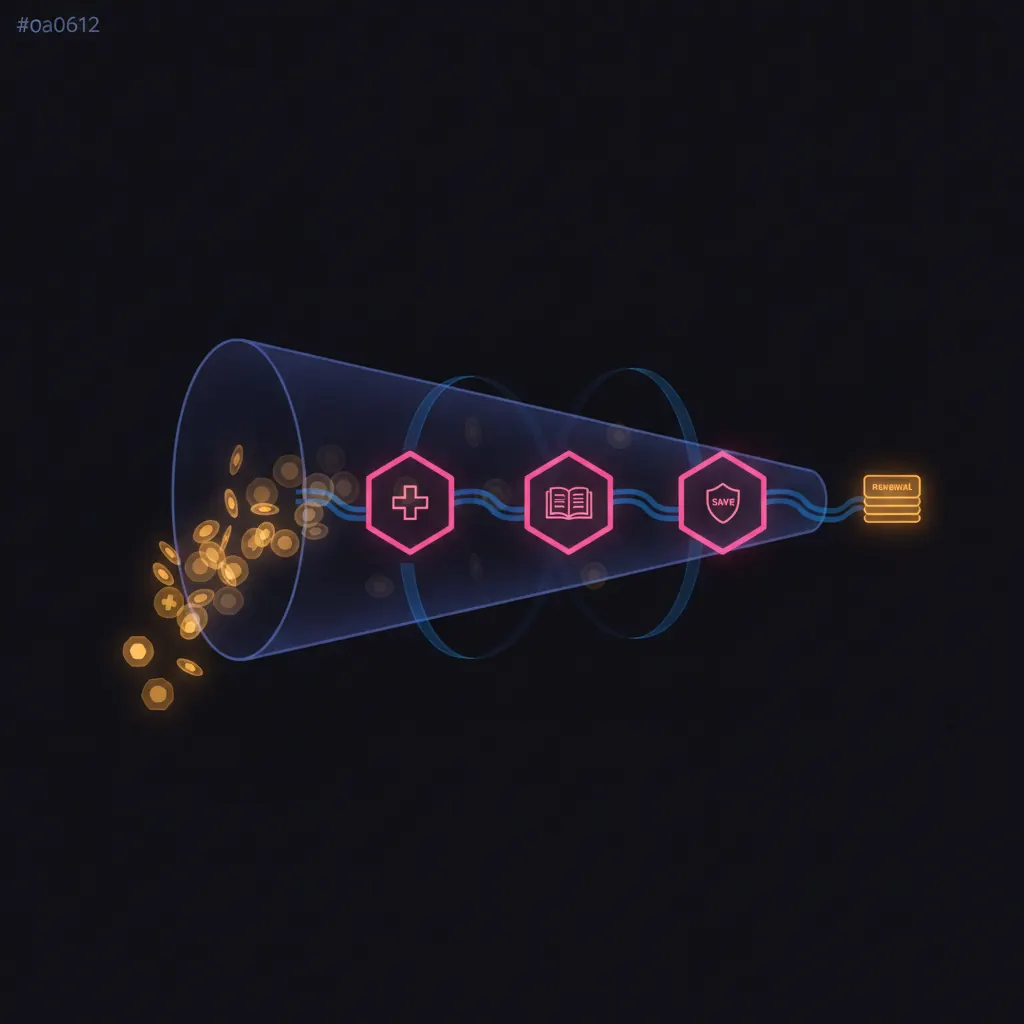
The Series B version runs a save-playbook draft on every account that flips to yellow or red inside the 120-day window. The draft cites the last three product-usage drops, the two most-relevant closed-lost competitor deals from the CRM, the exec-sponsor cadence to run against, and the three feature requests the customer logged that shipped in the last two releases. The CSM edits the framing and hits send on the outreach the same day. 12 saves get worked instead of 2, and the win rate on worked saves runs 55 percent instead of the untouched-account 22 percent.
The stage-two function reads every account that flips color, joins the CRM, the product feed, and the ticket queue against a library of closed save motions from the trailing 18 months, drafts the playbook against the account's actual shape, and drops it into the CSM's Notion inside four hours of the color change. The CSM works 12 real save motions in Q4 instead of two, and the nine-day sales comp cycle reflects the retention bonus on the CSM's paycheck instead of a zero.
Stage three: the renewal brief the AE reads before the call
The three yellow accounts with expansion room got assigned to an AE in July for a co-owned motion. The AE opened the account on August 5th, read the June QBR notes, and asked the CSM in Slack for "the latest on usage and the champion". The CSM replied 36 hours later with a two-line summary. The AE walked into the September expansion call with less context than the buyer had on their own account.
The stage-three function drafts a renewal brief the day before every renewal call and expansion touch. Reads the trailing 90 days of product usage by seat and by feature. Reads the last two QBR decks the CSM shipped. Reads the Gong transcripts from the last three buyer calls. Reads the support ticket queue. Drafts a two-page brief with the three talking points, the two objections the buyer raised in the last quarter, and the one expansion motion the usage data supports. Lands in the AE and CSM's inbox by 6 AM the day of the call. The 22 yellow accounts with expansion room turn into 8 closed expansions in Q4 instead of the two the current motion produces.
The math against the next Senior CSM hire
Run the two paths against the Senior CSM req sitting in the drafts folder at $148K base plus 20 percent variable. Path A closes the req in October, ramps the hire through Q1, and adds a fifth CSM to a team covering 340 accounts each. Loaded year-one cost lands $224K to $268K, coverage drops to 272 accounts per CSM, and the Q4 book still lands on the same shape because the queue behind each account did not change. Same book, one more headcount, same forecast miss on the December call.
Path B ships a three-sprint fractional AI CS function at $84K to $132K in build across the first 60 days and $6K to $10K a month to run. Sprint one lands the 120-day health read across the full book. Sprint two lands the save-playbook draft on every color change. Sprint three lands the renewal brief on every scheduled call and expansion touch. The Q4 book walks the same read, the same save motion, and the same brief motion on the same cadence, and the forecast tab reads $6.1M booked against $6.4M on the calendar. The 14-day sprints that ship this function cost less than the fully loaded search retainer for the Senior CSM.
The four numbers a VP CS runs before the next Senior CSM req
The founders reading this are two weeks from posting a Senior CSM req on the strength of the "coverage ratio" narrative. Before the offer letter goes out, run four numbers against the renewal function, not the headcount. Score the queue, not the hire.
Health-read cadence coverage. Divide the count of accounts with a real 120-day health read logged in the trailing 90 days by the count of accounts entering the renewal window in the same period. A healthy function runs 90 percent plus. A stuck function runs 22 to 35 percent, and the red list shows up as a surprise on the 30-day review.
Save-motion authored rate. Divide the count of yellow and red accounts with an authored save playbook by the total count of yellow and red accounts on the current book. A healthy function runs 80 percent plus. A stuck function runs 12 to 20 percent, and the CSMs work Slack scrollback instead of a written motion.
Renewal-brief lead time. Measure the median hours between a scheduled renewal or expansion call and the brief landing in the AE and CSM inbox. A healthy function runs 12 to 24 hours ahead. A stuck function runs 4 to 8 hours late, and the AE walks the call with the buyer's context, not the seller's.
Gross retention trend. Measure the trailing 12-month gross dollar retention against the trailing 24-month baseline. A healthy function holds within 2 points. A stuck function drifts 5 to 8 points, and the board slide gets a new footnote every quarter. Any two numbers in the stuck zone means the queue is the problem, not the headcount, and you can scope the CS function in a 30-minute call this week.
 2026-10-02
Your Customer Onboarding Takes 94 Days and 27% Churn Before Second Invoice
VP CS opens implementation tracker, 34 accounts, oldest 148 days post-kickoff, 27% churn before second invoice. Onboarding is a function you never staffed.
 2026-09-11
Your Onboarding Queue Has 22 New Logos and Implementation Started on Six
Your VP CS opens the onboarding tracker Monday, 22 new logos closed in Q3, six kickoffs on the calendar, four sitting past day 21. A queue nobody staffed.
 2026-09-10
Your Renewals Pipeline Has 47 Q4 Contracts and CS Ran QBRs on Twelve
Your VP CS opens the renewal tracker Monday, 47 Q4 contracts, 12 QBRs booked, nine yellow health scores nobody called. A queue nobody staffed.