What a Fractional AI GRC Agent Does
A fractional AI GRC agent reads 240 Vanta controls, drafts the Monday audit brief, and ships the SOC 2 evidence pack by day eight of close.
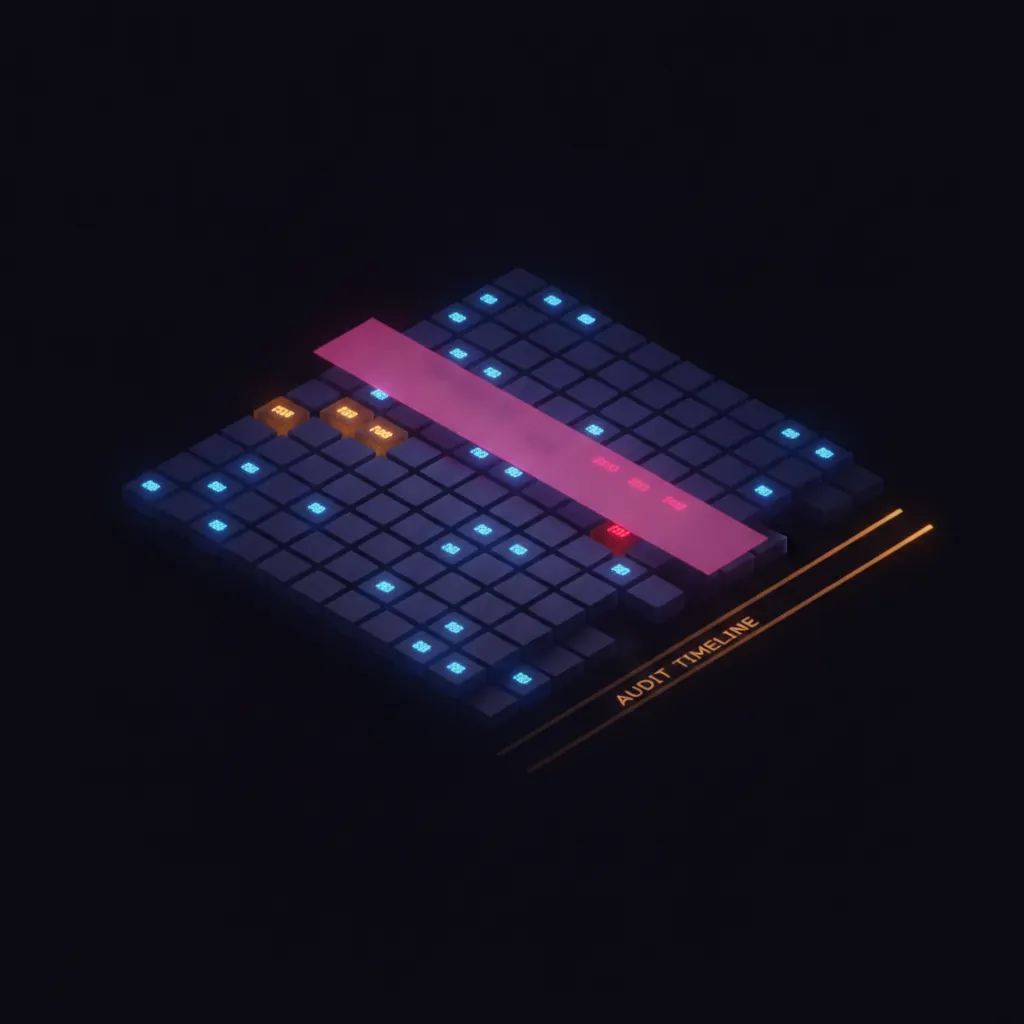
It is Thursday, 3:22 PM. Your Head of Security opens Vanta and reads the SOC 2 Type II evidence pack with 240 controls stamped against the audit window that closes in 42 days. 94 controls read green with the auto-pull from Okta, AWS, and GitHub. 42 controls read amber with the quarterly access review pending signoff from six engineering managers. 11 controls read red with the vendor review stuck on the seven subprocessors the procurement team onboarded in Q3.
The auditor sent the PBC list on Monday with 180 line items. Three line items need the policy exception log for the 14 production access grants the oncall engineer approved over the weekend. Two line items need the risk assessment refresh against the four new vendors onboarded against the data classification rubric. The Head of Security reads the Slack thread with the auditor and drafts the Monday audit brief at 8:14 PM on Thursday against the 240 controls, the 180 PBC line items, and the 42 amber flags Vanta stamped in the morning.
What Vanta stores and what the function ships
Vanta stores the 240 controls. It stores the auto-pull evidence against Okta, AWS, GitHub, and the HRIS. It stores the 94 policies tagged against the trust services criteria and the 420 training completions against the 94 employees. It does not ship the Monday audit brief the Head of Security reads at 7:02 AM against the 42-day audit window.
The GRC function was priced as four cuts a week. Monday audit brief against the 240 controls with the red and amber flags cited and the owner tagged against the policy exception. Tuesday vendor review cut against the 42 subprocessors with the SIG-Lite refresh status and the data classification cited. Thursday access review cut against the 240 production grants with the day-in-grant count and the oncall exception log reconciled. Friday policy refresh cut against the 94 policies with the 180 PBC line items mapped against the trust services criteria.
The stack already paid to run the function reads Vanta, Drata backup, Okta, AWS Config, GitHub Audit Log, and the Zendesk queue the auditor pings against the PBC list. Six systems, one Head of Security at $240K loaded, one GRC analyst at $140K loaded, and a Monday audit brief that lands Tuesday at 4:00 PM against the auditor Slack thread the Head of Security reads twice before signing the control owner routing.
What the stuck version costs the audit window
Pull the trailing SOC 2 Type II audit. Day one of the window opened with 94 green controls, 94 amber controls, and 52 red controls against the auto-pull gap on the four acquired subsidiaries. The GRC analyst shipped the first vendor review cut on day 18 of the window against the 42 subprocessors, and the auditor returned 14 line items with evidence gaps on day 24.
Day 42 of the window, the audit ran against 42 open PBC items. The Head of Security spent 11 hours a week against the auditor Slack thread, the Vanta amber flags, and the engineering manager access-review signoff queue. The legal ops counsel brief flagged three MSAs with data processing addenda pending auditor review on day 54.
The CFO reads the trailing audit against the Series C data room the board signed in October. One qualified opinion on the Type II report reads three months of remediation against the trust services criteria, and the Head of Security reads the auditor exit meeting at 4:00 PM on day 90 against a brief drafted Thursday at 8:14 PM the night before.
What the function synthesizes by hand
Loaded time on the two titles reads 42 hours a week on the synthesis work. 14 hours on the Monday audit brief against the 240 controls. 10 hours on the Tuesday vendor review cut against the 42 subprocessors. Eight hours on the Thursday access review cut against the 240 production grants. Six hours on the Friday policy refresh cut against the 94 policies. Four hours on the auditor Slack thread against the 180 PBC line items.
None of the six systems ship the one Monday page. Vanta reads the controls and the auto-pull evidence. Okta reads the access grants against the 94 employees. AWS Config reads the infrastructure drift against the 420 resources. GitHub Audit Log reads the production merge against the four protected branches. Zendesk reads the auditor PBC queue against the 180 line items. The HRIS reads the training completions against the quarterly refresh plan.
The gap is the synthesis against the firehose. The firehose runs five days a week against the six systems, and the GRC function reads the firehose by hand against the audit window the auditor signed.
What the agent reads on day one
A 14-day sprint stands up the fractional AI GRC agent against the six systems. 240 controls tagged against the trust services criteria and the control owner. 42 subprocessors tagged against the data classification rubric and the SIG-Lite refresh date. 240 production access grants scored against the day-in-grant rule and the oncall exception log. 94 policies tagged against the PBC line items the auditor signed in Monday's email.
Day seven, the first Monday audit brief ships at 7:02 AM. 240 controls with the red, amber, and green state cited on one line each. 11 red controls routed to the control owner with the evidence gap flagged against the PBC line item. 42 amber controls routed to the engineering manager with the access-review signoff pending against the 14-day cadence. The Head of Security reads the brief on one page in 480 words and signs off on the 11 red routing calls at 7:24 AM.
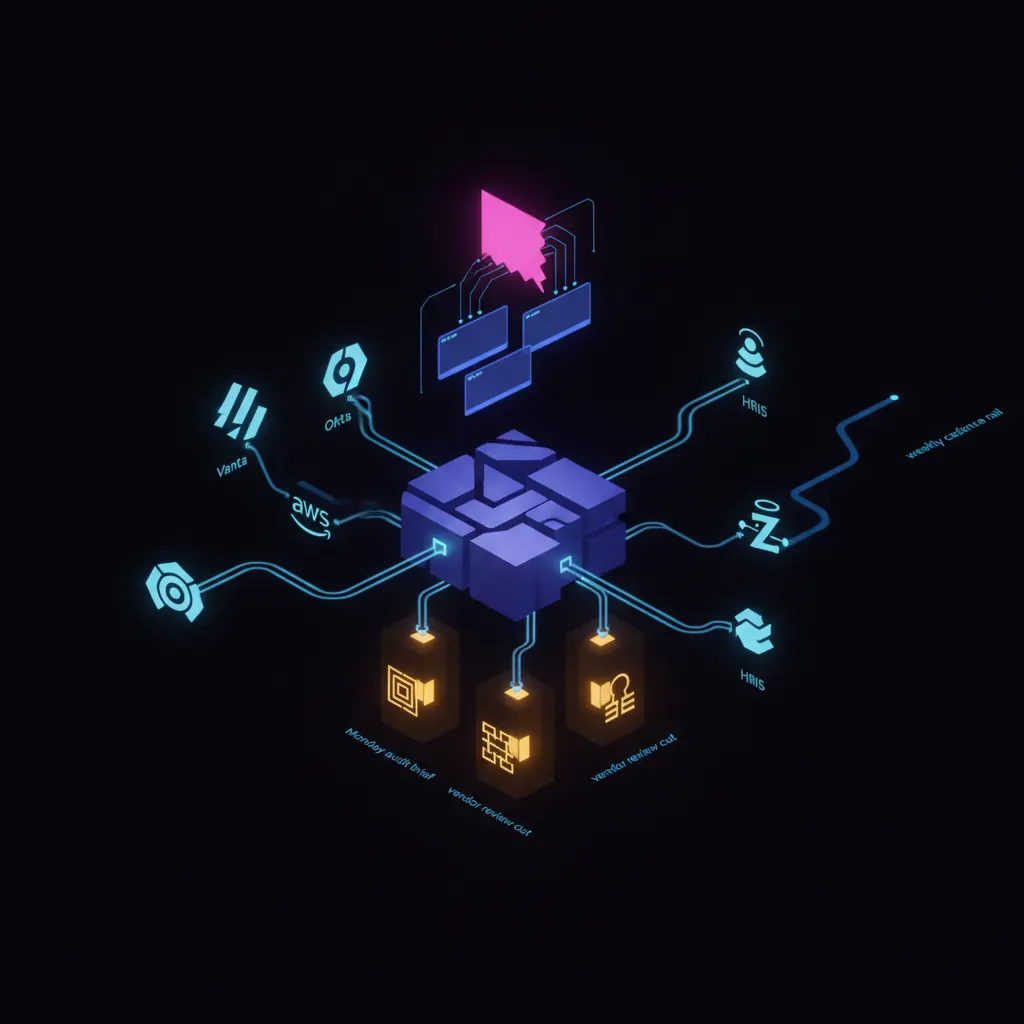
Day eight, the vendor review cut ships at 7:02 AM against the 42 subprocessors. Seven vendors flagged for the SIG-Lite refresh past the 90-day window with the next-step cited against the procurement owner. Four vendors flagged for the data classification miss the auditor flagged in week two. The Thursday access review cut ships against the 240 production grants with the three oncall exceptions reconciled against the policy signed in September.
Control owner routing. The agent reads the 240 controls on day one and flags the 11 controls with the evidence staleness gap the GRC analyst signed on an escalation. The control owner keeps the signoff. The agent drafts the owner brief and the GRC analyst runs the Tuesday review call with the four owners on the red controls.
Auditor PBC queue. The agent reads the 180 PBC line items against the Zendesk queue and maps each line item to the Vanta control, the policy document, and the evidence artifact. The Head of Security signs every artifact routed to the auditor. The agent drafts the response brief with the control citation, the evidence link, and the policy version cited against the trust services criteria.
The unit economics against a second GRC hire
The stuck version opens a second GRC analyst req at $140K loaded. Loaded year one lands $160K to $180K against the benefits and the ramp seat. Ramp runs one quarter on access reviews against the six systems and two quarters on the control familiarity against the 240 controls and the auditor PBC cadence.
The sprint reads $48K to $68K on the build depending on the control depth and the vendor review rubric. Ongoing cost lands $3K to $5K a month on API spend, read access against the six systems, and the Head of Security who signs the Monday brief. Year one lands $84K to $128K against the $160K to $180K loaded line on the second hire. The sprint ships the Monday audit brief at 7:02 AM on day 15 of the engagement instead of month six of the ramp.
The Head of Security and the GRC analyst keep every judgment call. The agent clears the 42-hour week of synthesis the function ran by hand against the six systems. The brief ships on cadence from week two. The audit window reads one line against the Series C data room, and the Monday brief reads the 11 red controls routed to the owner against the trust services criteria the auditor signed.
What the Head of Security reads on day 30
Day 30, the Head of Security opens the Monday audit brief at 7:02 AM against the 240 controls. 11 red controls with the evidence gap routed to the control owner. 42 amber controls with the engineering manager signoff booked for Thursday. 187 green controls with the auto-pull reconciled against Okta, AWS Config, and GitHub. The Tuesday exec sync carries the audit readiness line at 10:00 AM against the number the Monday brief stamped at 7:02 AM.
If your Monday audit brief lands Tuesday at 4:00 PM against an auditor Slack thread the GRC analyst reads twice, the version where the brief ships at 7:02 AM against the six systems the office already paid to run is 14 days away. You can keep running the audit cadence against the second GRC hire that ramps for two quarters, or you can scope a sprint and read the Monday brief at 7:02 AM against the trust services criteria the auditor signed.
 2026-11-14
Your Greenhouse Is Not Talent Acquisition
Greenhouse stores 4,200 applicants against 11 open reqs. Talent acquisition is the function that lands four right hires against the brief on cadence.
 2026-10-28
What a Fractional AI Legal Ops Agent Does
A fractional AI Legal Ops agent reads 240 live contracts, flags the 42 auto-renewing in 60 days, and ships the Thursday counsel brief by 8:00 AM.
 2026-10-25
What a Fractional AI Hiring Ops Agent Does
A fractional AI Hiring Ops agent reads 240 candidates across 11 reqs, drafts the Monday scorecard brief, and ships offer-ready handoffs by 8:00 AM.