Your Gong Library Has 340 Competitor Mentions and Product Marketing Shipped Six Battlecards
Your VP Sales opens Gong Thursday, 340 Q3 calls flagged with a named competitor, 11 battlecards in Highspot, six updated this quarter. A queue nobody staffed.
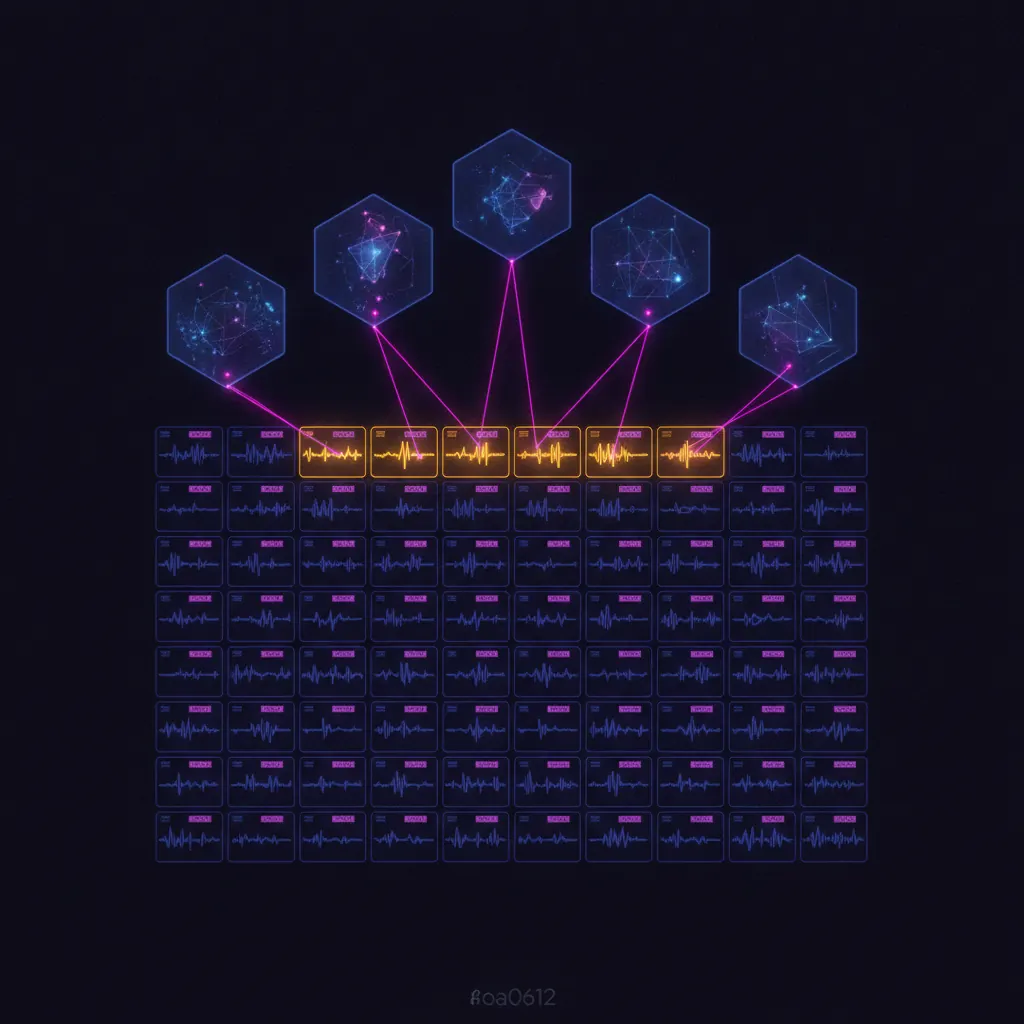
It is Thursday, October 1, 8:14 AM. Your VP Sales opens Gong before the forecast call. The competitor filter reads 340 calls flagged with a named competitor across Q3. The battlecard folder in Highspot holds 11 cards. Six were updated in the last 90 days. The other five carry a last-edited date before the April pricing change. Product Marketing shipped six battlecard revisions in Q3 across two owners. Win rate against the top-named competitor dropped from 44 to 31 percent on deals closed in September.
You bought Gong at $186K a year for the call intelligence. You bought Highspot at $92K a year for the content library. You staffed Product Marketing at two heads loaded $340K between them. One owner spends 40 percent of her week on launch collateral. The other owns analyst briefings and the quarterly messaging refresh. The battlecard folder is a side project both of them pick up on Fridays when the launch calendar clears. Six cards shipped in Q3. 334 competitor mentions in Gong went unread.
What a battlecard function is at Series B
A battlecard is not a PDF in Highspot. A battlecard is a running function with five parts. A read on every Gong call flagged with a named competitor that extracts the objection shape, the pricing claim, the feature claim, and the proof point the buyer repeated back. A pull of the last 30 Closed Won and 30 Closed Lost records against the same competitor from Salesforce with the deal size, segment, and primary reason captured in the CRM note. A draft update to the card that reflects the current pricing table, the shipped product capability, and the two proof points the AE needs on a live call. A review loop that pulls the Deal Desk precedent on the discount the competitor forced in August and the product update that closed the feature gap in July. A ship step that lands the card inside the AE prep flow before the next discovery call against that competitor.
Not one of those parts runs off the Gong call library. Not one runs off the Highspot content card. Not one runs off the two Product Marketers batching the folder on Fridays. Gong stores the call and tags the mention. Highspot stores the card and tracks the view count. The function runs when a human reads 30 calls side by side, pulls the 30 Closed Lost records, flags the three claims that drifted since the April pricing change, and ships the card to the AE prep flow. The two owners ran the function on six cards in Q3. The other five live inside a stale folder nobody staffed.
What 334 unread mentions cost the quarter
Take a typical Series B competitive motion. 340 opportunities touched a competitor in Q3. 106 reached stage three with a competitor named as the alternative. 47 closed in Q3 with a competitor in the deal record. Average deal size $184K. Pipeline exposed to competitive loss in a quarter reads $8.7M. Win rate against the top-named competitor sat at 44 percent in April and 31 percent in September.
Three patterns hide in the 334 unread mentions. Buyers quoting a competitor price 18 percent below the current list, a price the competitor only extends above 300 seats, that the AE conceded on because the Deal Desk precedent never landed in the card. Buyers quoting a feature the competitor shipped in July that your product shipped in August, that the AE walked around on because the card still names it a roadmap gap. Buyers quoting an integration the competitor sunset in June, that the AE never pressed on because the card still lists it as a strength. The three patterns show up in 61 of 92 Closed Lost records in Q3 when a human reads the Gong transcript against the Salesforce note side by side.
Nobody read the 92 side by side in September. The 13-point win-rate drop maps to roughly $1.4M of pipeline the buyer scored lower against a stale battlecard. Reversed on the top four competitors, a current card holds the win rate inside two points of the April number and recovers $900K to $1.2M of Q4 pipeline on the current pricing curve.
Why the tools you bought do not close the loop
Gong tags the competitor mention. Gong serves the clip on a filter query. Gong tracks the deal outcome against the mention. It does not read the Salesforce record and pull the 30 Closed Lost notes against the same competitor into one view. It does not know the April pricing change invalidated the discount line on the card.
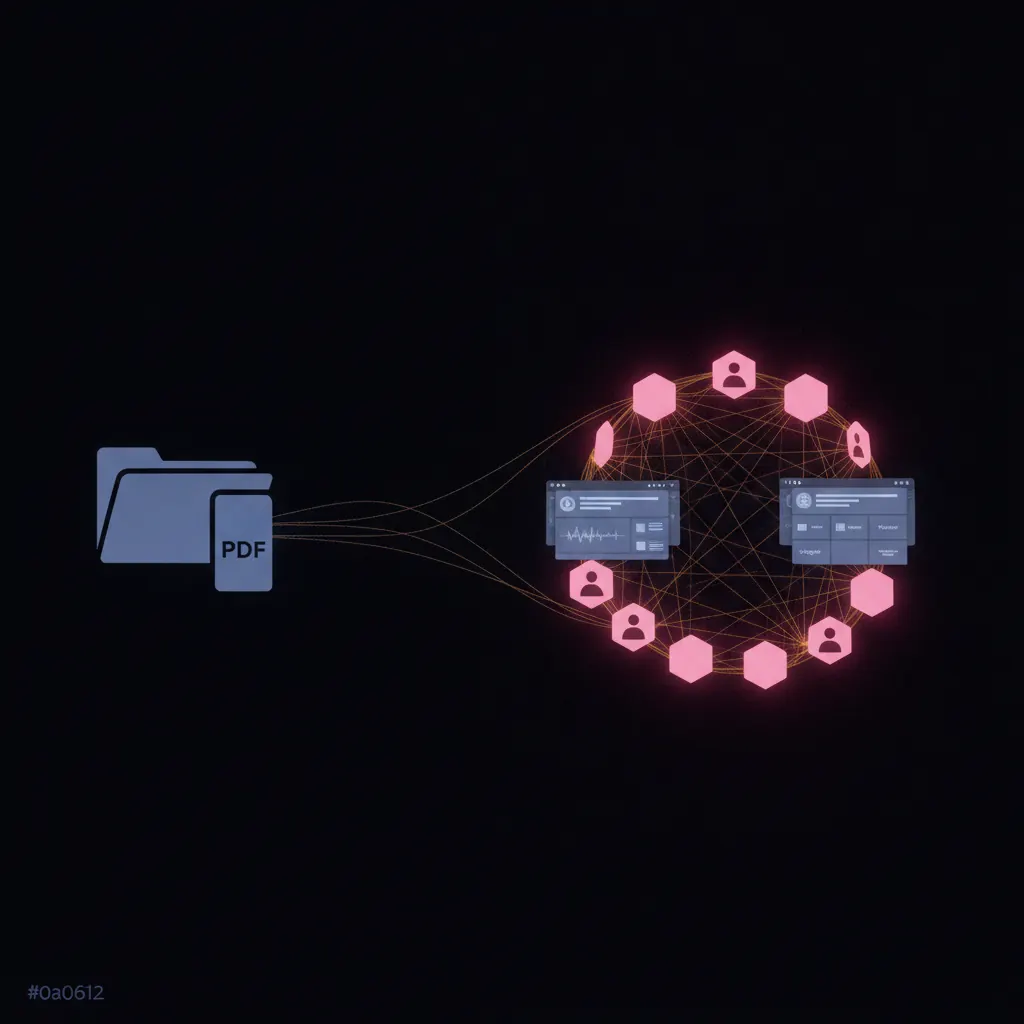
Highspot stores the card. Highspot tracks the open rate on the card. Highspot does not read the current product changelog and flag the three claims that drifted in the last 60 days. It does not open the Deal Desk Slack channel and pull the August precedent on the discount floor.
The two Product Marketers batch the folder on Fridays. Each one owns three cards. Each one reads two Gong clips before the update ships. The folder shows a last-edited date. The date is a timestamp, not a function.
What a fractional AI competitive function does
An agent stack runs the parts on a cadence you did not have to prompt. Every morning, the intake agent reads the Gong calls from the prior 24 hours flagged with a named competitor, extracts the objection shape, the pricing claim, the feature claim, and the proof point the buyer repeated, and writes a structured competitive artifact into the Highspot card workspace. The artifact flags the three claims that differ from the current card by more than one data point.
Inside the same cadence, the synthesis agent reads the last 30 Closed Won and 30 Closed Lost records against the top four competitors every Monday, pulls the Deal Desk precedent on the quarter's discount floor, pulls the shipped product changelog from Linear against the open feature claims, and drafts the card update for the Product Marketing owner to review. First-draft fill rate on the card update lands 74 to 86 percent against a 38 to 44 percent fill on the current Fridays-only batch. The owner reads the draft Monday afternoon, approves the four cards against the top competitors, and ships the current versions to the AE prep flow by Tuesday noon.
Every Friday, the distribution agent pushes the four current cards into the AE prep view against every opportunity scheduled for a discovery call in the next five business days with a named competitor on the record. The AE opens the opportunity in Salesforce and reads the current card with the current price, the current feature state, and the two proof points pulled from this week's Closed Won calls. Read the reporting case for the same operating shape against a different function.
The unit economics of the trade
Path A keeps the two Product Marketers on the Fridays batch, keeps Gong at $186K a year, keeps Highspot at $92K a year, and keeps the battlecard folder at 11 cards with six touched a quarter. Win rate against the top-named competitor sits 10 to 14 points below the April number through the rest of the year. Pipeline exposed to competitive loss on the current curve burns $1.1M to $1.6M a quarter. The two Product Marketers stay on launch and analyst work and the folder stays a side project.
Path B keeps Gong for the call capture and Highspot for the content card, runs a 14-day sprint to stand up the agent stack against the intake, synthesis, and distribution parts, and runs at $4K to $7K a month on API spend and tooling plus a fractional competitive operator at $4K to $6K a month who owns the Monday review and the Deal Desk escalation. Year one lands 74 to 86 percent first-draft fill, four current cards shipped weekly against the top-named competitors, and a win-rate recovery of 7 to 11 points on the top four competitor cohorts. Pipeline recovered on the Q4 curve lands $900K to $1.4M against $184K deal size.
The three questions to run against every battlecard this week
Open the Highspot folder before the next sales kickoff. Every card deserves three questions before the AE loads it into a prep flow. The questions score whether the card is a current artifact that moves a live call or a timestamp nobody read again. Run them against the top four competitor cards this week and the Q4 forecast moves.
Which 30 Gong calls back this card? Name the competitor, the segment, and the call date. If the answer is a filter query nobody opened, the card is a stored object, not a program. Pull the 30 most recent calls inside the current synthesis step or move the card to the stale tag.
Which three product claims on this card shipped before the last pricing change? Name the pricing table version, the feature changelog entry, and the integration status. If the claims predate the April change, the card is a historical artifact. The current state lives in Linear, the pricing sheet, and the Deal Desk precedent, not in the Highspot copy.
Which AE opens this card before the next discovery call? Name the opportunity, the AE, the competitor on the record, and the call date. If the card lives in a Highspot folder with no push into the AE prep view, distribution is broken. A card no AE reads before a call is a stored PDF, not a program.
If your two Product Marketers are shipping six battlecards a quarter and 334 competitor mentions in Gong are going unread, the version where four current cards ship weekly into the AE prep flow is fourteen days away. Gong stores. Highspot files. An agent stack runs the function. Scope a sprint and read the first card land in an AE prep view next week.
 2026-09-30
Your RFP Queue Has 34 Open Responses and Three SEs Shipped Six This Month
Your VP Sales opens the RFP tracker Monday, 34 open responses in Q3, six shipped this month across three SEs, 28 sitting past the buyer's due date. A queue nobody staffed.
 2026-09-22
Your Win/Loss Program Has 47 Lost Deals Last Quarter and Sales Interviewed Six
Your CRO opens Closed Lost Monday, 47 deals lost in Q3, six buyer interviews on file, 41 CRM reasons that read "went with competitor." A queue nobody staffed.
 2026-09-13
Your Event Booth Scanned 340 Badges and Sales Followed Up on 22
Your CMO opens the scan export Monday, 340 badges captured, 22 personal follow-ups sent, four warm demos booked. A queue nobody staffed.