Your AI Copilot Is Not an Employee. It Waits for a Prompt.
You bought 340 Copilot seats at $30 a month. Nobody ran a function. A copilot waits inside an app for a prompt. An employee runs a cadence.
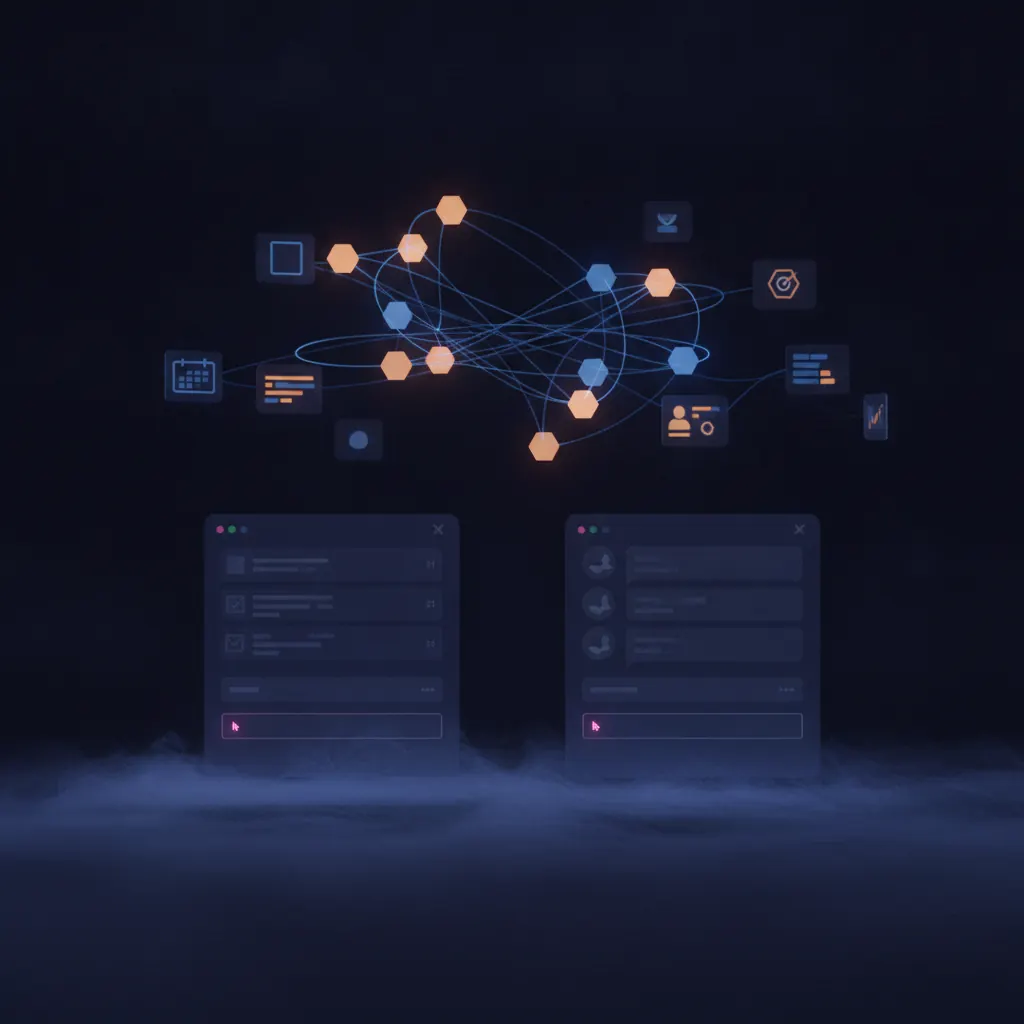
It is Tuesday, September 15, 10:04 AM. Your COO opens the finance folder for the Q3 close narrative. She types "summarize the variance" into the Copilot sidebar on the FP&A workbook. Copilot writes four sentences against the tab it can see. She copies the paragraph into a doc, opens the RevOps sheet, types the same prompt, gets four more sentences, pastes them below the first. Forty minutes later she has assembled seven paragraphs by opening seven apps and asking the copilot inside each one to summarize the tab in front of her.
You bought 340 Microsoft 365 Copilot seats at $30 a month. That is $122,400 in annual license spend against a product that answers a prompt when a human opens the app and types one. Not one of those 340 seats wrote the Q3 close narrative on Friday at 6 PM without your COO in the doc. The vendor sold you an employee replacement. What shipped was a sharp autocomplete pinned inside the seven apps your team already opens.
What a copilot does
A copilot lives inside an application. Gmail, Word, Excel, Salesforce, Notion, Slack, the IDE. It reads the document or the thread the user opens. It writes a draft against a prompt the user types. It shortens the time between "I opened this doc" and "I have a first draft."
That is the whole product. The user opens the app, prompts the copilot, reads the draft, edits the draft, ships the draft. The copilot never opened the app itself. The copilot never picked the doc. The copilot never decided today was the day the close narrative had to ship.
Copilot in Gmail drafts a reply when you open the thread. Copilot in Salesforce summarizes the account when you open the record. Copilot in Notion writes a section when you type the slash. Every copilot in your stack is a passive layer that fires when a human opens the app and points at a piece of work. Your team opens 47 apps a day. The copilot inside each one waits. The 340 seats bill regardless.
What an employee does
An employee runs a function on a cadence you did not have to prompt. The VP CS reads the Monday queue at 8:30 AM because Monday is when the queue gets read. The CFO closes the books on the 5th because that is the calendar committed to the board. The SDR sends the sequence at 7:14 AM Tuesday because that is when the outbound cadence fires. Nobody types "please run outbound this morning" into a prompt field.
The function runs because a person owns it, a calendar names it, and the output lands in a defined inbox at a defined time. Every function inside your business has five moving parts. A cadence that fires without a prompt. A source list the function reads from. A template the output fills. A stakeholder list the output ships to. A follow-up loop that chases the anomaly and closes it.
Your VP CS runs all five for the support function. Your CFO runs all five for the close. Your Head of Marketing runs all five for the content calendar. Not one of those five parts is a prompt inside an app. Copilot cannot see any of the five without a human opening the app first.
Why the license spend keeps growing and the org chart does not shrink
The pitch from the copilot vendor is that a 30 percent time saving on document work compounds into a headcount avoided somewhere. That math assumes the time saved on writing the draft translates into a function running without the person. It does not. The person still opens the doc. The person still fires the prompt. The person still owns the cadence, the source list, the template, the distribution, and the follow-up loop. The draft got faster. The function stayed with the human.
Run the numbers. A Series B with 120 seats on Microsoft 365 Copilot at $30 a month burns $43,200 a year against a promise that everyone drafts 30 percent faster. A Series B with 340 seats burns $122,400. The FP&A model still has 34 tabs. The support queue still has 187 open tickets. The Monday exec digest still gets written from a blank doc at 7:47 AM. The Q3 board deck still takes 47 hours across four functions to assemble.
The copilot line item on the SaaS spreadsheet grew. The org chart grew with it. Nothing on the operating cadence shifted.
What an agent stack does that a copilot cannot
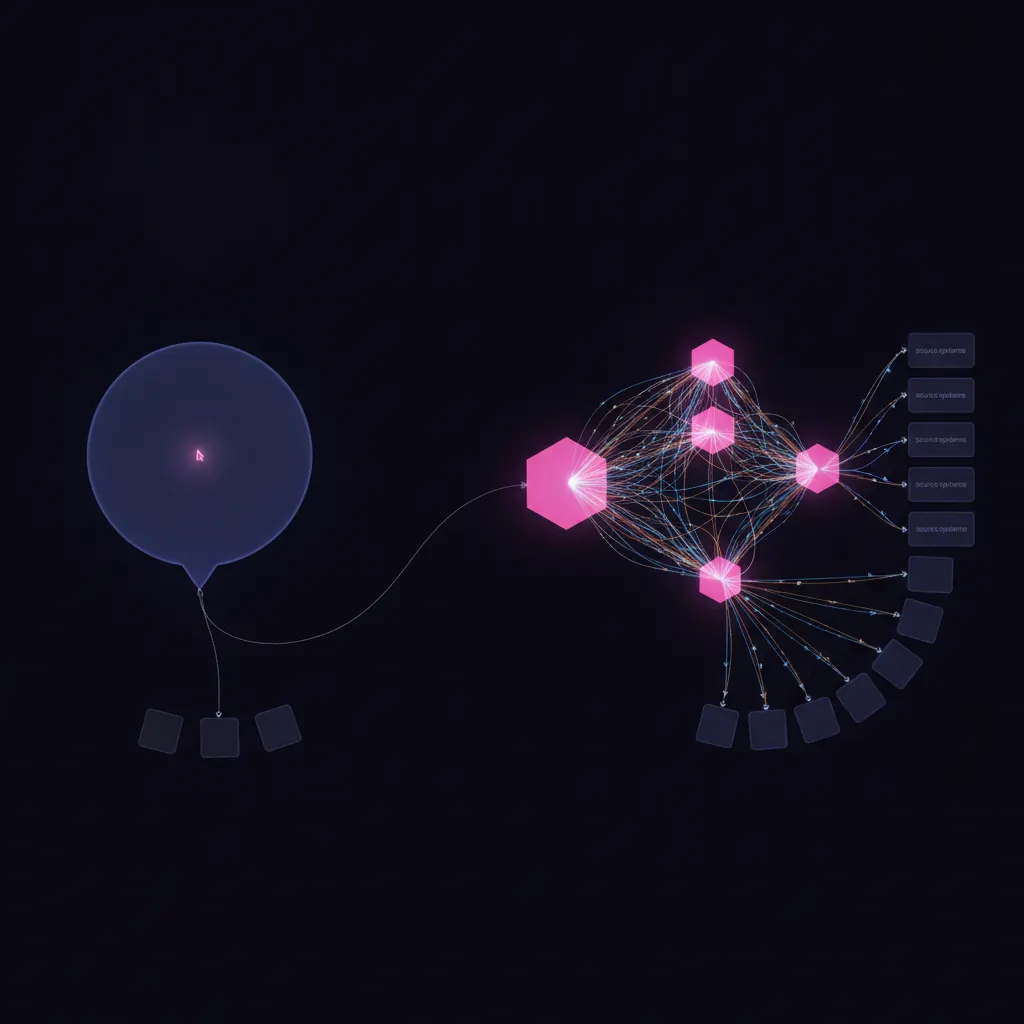
An agent stack runs the five moving parts without a prompt. The Monday exec digest agent opens Looker at 7:30 AM Monday, reads the seven tiles on the exec priority list, opens the FP&A workbook, reads the trailing four periods of variance, opens the RevOps sheet, reads the pipeline coverage, drafts the narrative in the exec voice against the template, distributes the doc to the eight-person exec list at 8:45 AM, and opens a Slack thread with the CRO on the two deals slipping. No human opened an app. No human typed a prompt. The doc lands on cadence and the follow-up loop runs.
Read the two case studies on how the same trade looks against reporting and support. Both walk a function moving off a person's inbox and onto a cadence a founder can build a week around. The copilot licenses stayed live in both. The functions stopped depending on them.
The unit economics of the trade
Path A keeps the 340 Copilot seats at $122,400 a year, adds the next FP&A analyst at $190K loaded, adds the next support rep at $121K loaded, adds the next SDR at $118K loaded, and runs the same five functions off human inboxes with faster drafts. Year-one incremental spend against the same output shape lands $551,400. The Monday digest still ships when the COO opens the doc. The close narrative still runs against a Sunday night.
Path B keeps the copilot seats where the draft-speed lift is real, runs three 14-day sprints to stand up an agent stack across reporting, support, and outbound at low to mid five figures each, and runs on $6K to $12K a month per function on API spend, tooling, and the fractional operator who owns the exception loop. Year one lands $260K to $360K across three owned functions on cadence. The copilot spend keeps rendering faster drafts inside the apps. The agent stack runs the functions in the background.
The three questions to run against every copilot line item this quarter
Read the SaaS spreadsheet before the next renewal cycle. Every copilot line item deserves three questions before the invoice signs off. The questions score whether the seat is buying a faster draft or a running function.
Which cadence runs because of this seat? Name the day, the time, the source list, the template, the distribution, and the follow-up loop. If the answer is "our team drafts faster inside the app," the line item is a draft-speed license, not a function.
Which stakeholder receives the output on a calendar? Name the recipient, the delivery channel, the delivery time, and the escalation path when the output misses. If nobody receives anything on a cadence, the seat is a personal productivity tool, not an operating function.
Which anomaly gets chased without a human opening the app? Name the threshold, the routing rule, the owner, and the response window. If the anomaly needs a human to open the app and prompt for it, the seat is a search bar with a chat interface.
If your COO is opening seven apps this morning to assemble the Q3 close narrative, the version where the narrative ships to the exec list at 8:45 AM Friday is fourteen days away. Copilots draft faster. Agents run functions. Scope a sprint and read the first cadence land in your inbox next weekend.
 2026-08-11
How to Scope a 14-Day AI Sprint Before You Sign the Check
Founders keep asking what fits inside a 14-day AI sprint. The answer is one function, one queue, three data sources, one live output the team already reads.
 2026-08-10
Your Copilots Are Not Employees and Your Org Chart Still Has the Same Gaps
Your team pays for 14 copilot seats and every function on the org chart still ships late. Copilots accelerate a hire. They do not replace one.
 2026-05-31
Your Copilot Is Not An Employee
Your engineers have Copilot, your PMs have ChatGPT, your CEO has Claude. You have an AI tooling budget. You do not have an AI strategy.