Your Battle Cards Were Last Updated in April and the Competitor Shipped Twice Since
Your PMM opens the battle-card folder Friday, 8 cards, oldest touched April 12th, three AEs lost deals citing outdated positioning.
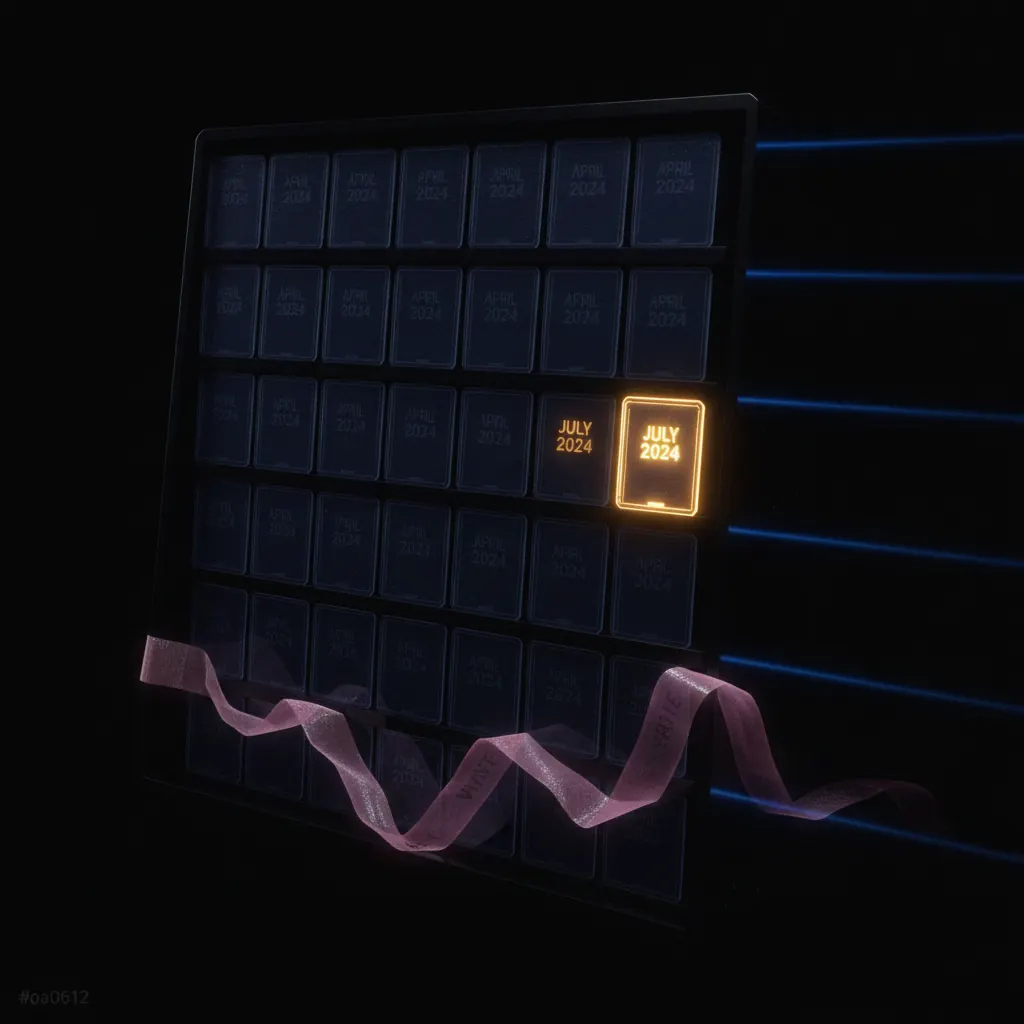
It is Friday, August 7th, 3:42 PM. Your PMM opens the Notion workspace named Competitive_Q3. Eight battle cards. She sorts by "last edited". The top card, on the primary competitor, was last touched April 12th by a marketing coordinator who left in May. The next card is on a scale-up that shipped a native BI integration in June the card does not name. The third card is on the incumbent whose pricing page changed twice since May.
She scrolls Salesforce. Three closed-lost notes in the last 30 days cite "competitor had X" where X is a feature shipped between May and July that no battle card names. One deal was $220K, one was $140K, one was $310K. The Gong call from July 30th shows a top AE fumbling the objection on the June integration because the card says "no native BI". The buyer forwarded a competitor screenshot showing the integration live on their Snowflake instance.
Pull every closed-lost note from the last four quarters. 340 losses, 41 percent cite a competitor by name, 62 percent of those cite a feature or price shipped after the last card update. Cross-check the battle card edit history and 6 of 8 cards have not been touched in 90 days. The pipeline report shows AE win rate against the top competitor dropped from 34 to 22 percent over the last two quarters. The board deck names competitive positioning as a Q3 priority. The board deck does not name that the last competitor teardown ran in an offsite April 4th.
Competitive intelligence is a function. Most Series B and C teams past $15M ARR have not staffed it because the founder used to answer competitor questions on discovery calls from memory. The count grew to four named competitors plus twelve niche threats, a Notion folder of eight battle cards, a Gong library with 3,400 calls tagged with objections nobody clusters, a #competitive Slack channel with 214 messages a quarter the PMM scans between launches, a Klue trial that expired in February, and a folder of competitor pricing screenshots the sales enablement lead saved in June. The function lives in the gap between the PMM who owns the cards, the CMO who owns positioning, the head of sales who owns win rate, the product marketing lead who owns launches, and the AEs who need answers on live calls. On the org chart it sits under marketing. In practice it sits inside a Notion folder nobody opens between planning cycles.
The 90-day drift math
Pull every battle card edit log the last twelve months, every closed-lost note tagged with a competitor name, every Gong call transcript containing a competitor mention, every pricing page snapshot of the top four competitors, and every product release note. Log freshness against loss reason, win rate against card recency, AE objection handling against card completeness. Most teams past Series B find battle card median age 90 to 180 days, competitor releases missed by 40 to 70 percent, win rate drift of 8 to 18 points over two quarters, and one in three closed-lost notes cites a feature the card does not mention.
Walk one signal. The primary competitor shipped native BI integration June 4th. Their release note dropped in a public changelog the same morning. The July 8th and July 22nd Gong calls both flagged the integration as the deal breaker. The AE Slacked the PMM on July 25th asking for updated messaging. The PMM added a note to the top of the card on July 29th saying "check BI story". The July 30th call closed lost. On August 1st the PMM added the card to her Q3 backlog. No single owner watched the competitor changelog on the day it dropped, matched it to the Gong pattern by the second call, and pushed a fresh card to the AE team inside the week.
The team that should own this knows it is broken. The PMM writes new cards when a launch forces one. The CMO reads TechCrunch on Sunday nights and forwards links to Slack. The head of sales complains about outdated positioning on the Monday leadership call. The AEs paste competitor screenshots into #competitive and get thumbs-up reactions. The product marketing lead runs quarterly teardowns during offsites. No single owner reads every competitor changelog the day it drops, tracks every pricing page for the top four competitors, clusters every Gong objection against a live taxonomy, and pushes a refreshed card to the sales team the same week the competitive move lands.
Hiring a competitive intel analyst is the slow answer
The textbook fix is a senior competitive intelligence analyst or a director of product marketing owning competitive. Loaded comp in the US runs $160K to $230K a year. Months one through three go to auditing the existing cards, standing up a monitoring stack, and rebuilding the taxonomy. Months four through nine are when battle card median age drops from 120 days to under 21, competitor releases missed drops from 40 to 70 percent to under 15, and AE win rate against the top competitor climbs 6 to 12 points back.
The fractional version is faster and stops at the same wall. Six to nine thousand a month buys ten to fifteen hours a week of senior competitive work. The first month rebuilds cards on the top three competitors and stands up a monitoring cadence. The four-plus-twelve competitor firehose keeps drifting because a fractional lead cannot watch every competitor changelog the day it drops, capture every pricing page change the hour it happens, transcribe every G2 and Reddit review the week it posts, cluster every Gong objection against a live taxonomy, refresh every card inside a week of a competitor move, and post a live update in the AE Slack the morning of the next deal cycle.
Both versions assume the work is a person editing cards on a cadence. The work itself is watching every competitor changelog, product page, pricing page, careers page, and G2 review feed daily, transcribing every Gong call for competitor mentions and clustering the objections against a live taxonomy, matching every closed-lost note back to a competitor gap, tracking every hiring signal on the competitor's team page for a product direction tell, refreshing the eight primary cards inside a week of a competitor move, and posting a two-line update in the AE Slack the morning after a competitor release. On four primary competitors plus twelve niche threats and 340 weekly signal touches that is 34 to 44 hours a week of senior competitive work. No single hire clears that pile and holds the freshness bar at the same time.
What a fractional AI competitive intel function does
Hand the Notion battle-card workspace, the Gong library, the Salesforce opportunity object, the four primary competitor changelog and pricing URLs, the #competitive Slack channel, and the G2 and Reddit feeds for the category to a fractional AI agent. The agent does the work a competitive analyst, a product marketing associate, and a sales enablement coordinator would do together. The cadence is per-release on ingestion, per-day on card review, per-week on the AE brief, and per-quarter on the deep teardown.
Every competitor release captured inside an hour of the changelog drop. The primary competitor ships native BI integration June 4th at 9:14 AM. By 10:10 the agent has parsed the changelog, matched it to the integrations section of the card, drafted an updated positioning paragraph, flagged the pricing page diff from the same morning, and posted a note in the PMM Slack for a 15-minute review before the AE morning brief.
Every pricing page tracked daily with a diff alert. A competitor bumps their per-seat price from $49 to $59 on a Tuesday morning. By 9:30 the agent has captured the diff, updated the pricing paragraph in the card, and posted the change in #competitive with the timestamp and the impacted deal segment.
Every Gong call clustered against a live competitive taxonomy. The July 30th call closes with the BI objection. By that evening the agent has pulled the moment, clustered it into the growing "BI integration" bucket now at 14 mentions across nine accounts, and flagged the pattern to the PMM as a card-refresh priority.
Every closed-lost note matched back to a card gap. The head of sales files the $310K loss note July 31st citing "no BI integration". By the next morning the agent has matched the note to the BI cluster, updated the card's "why we lose" section with the deal name and value, and rolled the loss into the win-rate dashboard for the Monday leadership call.
Every AE morning brief pre-drafted before 8 AM. The AEs open Slack Monday to a two-line update per active competitor. Card refreshed on the BI integration Friday. New pricing on the incumbent effective today. Reddit thread with 214 upvotes on a scale-up's outage over the weekend. Every line links to the source and the card section. Discovery calls open with the current story.

The unit economics of a four-competitor market
A Series B company at $22M ARR with four primary competitors and an average deal size of $180K to $310K in the segment is burning three specific things. The PMM, the CMO, the head of sales, the product marketing lead, and the AE team spend a combined 12 to 18 hours a week on ad hoc research, card patches, and Slack Q&A against a fully loaded hour of $180 to $310. That is $9K to $22K a month of senior time on work a live agent clears in a 15-minute morning review.
The win-rate line is the second one. Cutting battle card median age from 120 days to under 21 and clearing the AE morning brief by 8 AM pulls 6 to 12 points of win rate back against the top competitor. On 34 competitive deals a quarter at a $180K to $310K average, that maps to $1.4M to $4.5M of ARR defended a year. The inbound demo queue starts converting on the competitor comparison instead of stalling on it. The RFP response cycle ships with a current competitor teardown attached.
The launch-timing line is the third. Catching a competitor's product move inside 48 hours instead of 30 days pulls two to four competitive counter-launches a year out of the "we responded next quarter" bucket into the "we shipped a positioning update the same week" bucket. Marketing air cover matches product reality on the day the market reads about the competitor, not 90 days later.
A 14-day sprint to stand up the agent runs in the low to mid five figures. Ongoing cost lands closer to a Klue seat than a competitive analyst hire. Monitoring stack and taxonomy build run in week one. Card refresh workflow and the AE morning brief run in week two. The first agent-drafted card update lands in the PMM Slack inside 24 hours of the next competitor move.
What changes after the sprint
Picture the same Friday, 3:42 PM moment, thirty days after the sprint ships. Your PMM opens the Notion workspace. Eight battle cards, seven refreshed inside the last 14 days, one flagged for a 25-minute review this afternoon after the incumbent's pricing page moved this morning. She opens the primary competitor card. The BI integration section names the June 4th release, the Snowflake and BigQuery targets, the setup friction the Reddit thread flagged, the pricing implication, and the three objection responses the top AE tested on live calls this week.
By Monday 8 AM the AEs open Slack to the morning brief. The incumbent's per-seat price bumped $10. The scale-up's outage thread hit page one of the subreddit. The primary competitor's careers page posted a security engineer role. Every line links to the source and the card. The Monday pipeline call opens with the current story on every active competitive deal.
If your battle cards currently say version 2.1 while the competitor shipped 4.3 in June, the version where every competitor release lands in the card inside 48 hours and the AE morning brief hits Slack before the first discovery call is fourteen days away. Competitive intelligence is a function. You can hire against it, you can retain a fractional PMM for it, or you can scope a sprint and have it running this month. The work is the same. The math is not.
 2026-09-22
Your Win/Loss Program Has 47 Lost Deals Last Quarter and Sales Interviewed Six
Your CRO opens Closed Lost Monday, 47 deals lost in Q3, six buyer interviews on file, 41 CRM reasons that read "went with competitor." A queue nobody staffed.
 2026-09-13
Your Event Booth Scanned 340 Badges and Sales Followed Up on 22
Your CMO opens the scan export Monday, 340 badges captured, 22 personal follow-ups sent, four warm demos booked. A queue nobody staffed.
 2026-09-11
Your Partner Pipeline Has 47 Registered Deals and the Channel Manager Called Nine
Your VP Sales opens the PRM Monday, 47 registered partner deals, nine partner-sourced meetings, four co-sell threads gone quiet. A queue nobody staffed.