Your Zapier Is Not Automation
Zapier runs 420 Zaps. Automation is the function that keeps the 94 that move revenue firing on cadence with error routing and ROI on the ledger.
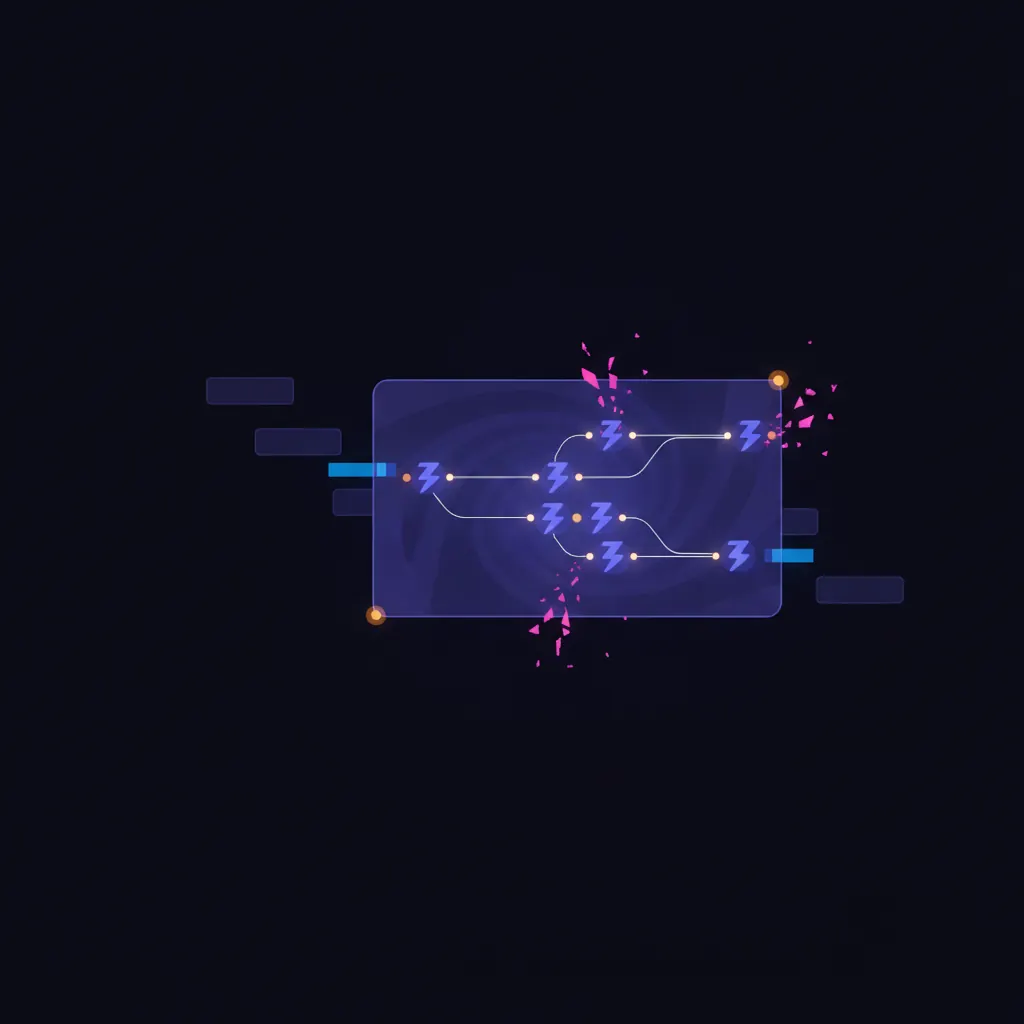
It is Wednesday, 11:08 AM. Your Head of RevOps opens the Zapier task-history tab. 420 Zaps live across the org, 94 fired in the last 24 hours, 14 errored silently, three of those were the lead-router pushing new MQLs into Salesforce. 42 inbound demo requests from Tuesday landed in the Zap error log instead of the AE queue. The RevOps lead finds the break at 11:14 AM, replays the runs by hand, and the Thursday pipeline review opens with a 42-lead hole nobody caught for 27 hours.
Your Head of Ops opens Make at 1:40 PM. The scenario board reads 142 scenarios across six owners, 68 scheduled on 15-minute intervals, 42 running against production data, and 11 marked "test, do not touch" that have been live for 94 days. The ops lead ships a Slack to each builder at 2:04 PM asking who owns which scenario. 34 of the 142 come back with a name by Friday. The other 108 sit in a workspace nobody audits.
Your CFO reads the Thursday ops brief. $38K annual Zapier Team spend, $22K annual Make Pro spend, $14K annual n8n cloud spend, and a $140K ops-lead loaded cost on the people who build and chase the automations. The CFO types one question into Slack: "which three automations saved us the most hours this quarter and which three cost us a customer touch." The ops lead opens the task history, pulls the error log, writes a 240-word reply at 2:42 PM. The automation platform did not write the reply. A human did.
A Zapier workspace is not automation. The thing your team pays $69 to $599 per month per seat to host is a workflow builder with a trigger catalog, an action catalog, and a run log. It does not read the 14 silent errors from last night, name the three that cost revenue, draft the Monday owner-review ask on the 108 orphan scenarios, route the Tuesday audit on production-tagged flows, or ship the Thursday ROI brief. The gap is not Zapier quality. The gap is function shape.
What a workflow builder does
A workflow builder stores a step graph against a trigger. Zapier Team at $69 per month plus task fees, Make Pro at $29 per month plus ops fees, n8n cloud at $20 to $50 per month per workflow, Workato at $10K to $50K annually, and Tray.io at $2K to $10K monthly on usage all ship the same shape. Trigger, filter, action, mapping, retry, run log. Event in, action out, task log renders the aggregate.
Pull one quarter of automation usage across a 240-head Series C running RevOps, finance ops, support ops, and marketing ops on the same stack. The task-history dashboard reads 1.4M tasks executed, 11,420 errors across the quarter, 94 percent auto-retried to success, six percent dead in the error folder, and 420 Zaps live against 142 Make scenarios and 68 n8n workflows. The CFO reads a $74K annual automation line and asks which decision landed differently this quarter because the stack existed. The answer is the error-replay threads the ops lead wrote off the task log, not the step graph itself.
What automation does
Automation is the function that keeps the 94 flows that move revenue firing on calendar time with error routing on cadence and ROI on the ledger. The ops lead reads the Monday error report, names the three Zaps that broke a lead-routing contract, drafts the per-owner replay ask with the affected records cited, and routes the Tuesday audit on the two scenarios above $10K in monthly API spend. The automation ops lead reads the quarterly task-growth curve, pulls the five flows that doubled in task count without a logged change, drafts the Wednesday scope question for the builders, and ships the Thursday saved-hours brief to the CFO before the board pack lands. The owner reads a ranked list on Monday, works the queue by Wednesday, logs the ROI by Thursday, and closes the loop on the error exception by the following Monday.
A workflow builder shows a run log. Automation carries the error queue, the owner map, the production-flow audit, the saved-hours ledger, and the brief. One is a step editor. The other is a function on cadence.
The three gaps that make a builder a tool
Error routing. A builder renders the task-history error tab. It does not read the 14 silent errors from last night, cross-reference the Zap name against the owner map, name the three where the downstream record never landed, draft the per-owner replay ask with the affected IDs cited, and route the Tuesday review on the two flows that errored in the same step twice this quarter. The ops lead chases those by hand. The builder shows the red icon in the sidebar.
Ownership enforcement. A builder stores the "created by" field on each flow. It does not read the 142 live scenarios, filter to the 108 whose creator left the company or moved teams, draft the Wednesday ownership-transfer ask with the current traffic cited per flow, and route the Friday deprecation on the 42 that have not fired in 94 days. The ops lead runs an owner audit once a year. The builder shows the author stamp.
ROI accounting. A builder shows the task count per flow. It does not read the quarterly saved-hours estimate against the task log, name the three flows that saved more than 40 hours a week on the ops team, cite the per-flow API spend against the task-count growth curve, and draft the Thursday CFO brief with the three top-ROI flows and the three candidates for rebuild on a cheaper platform. The ops lead writes that answer against a CSV export. The builder shows the usage bar.
What a fractional AI automation function runs
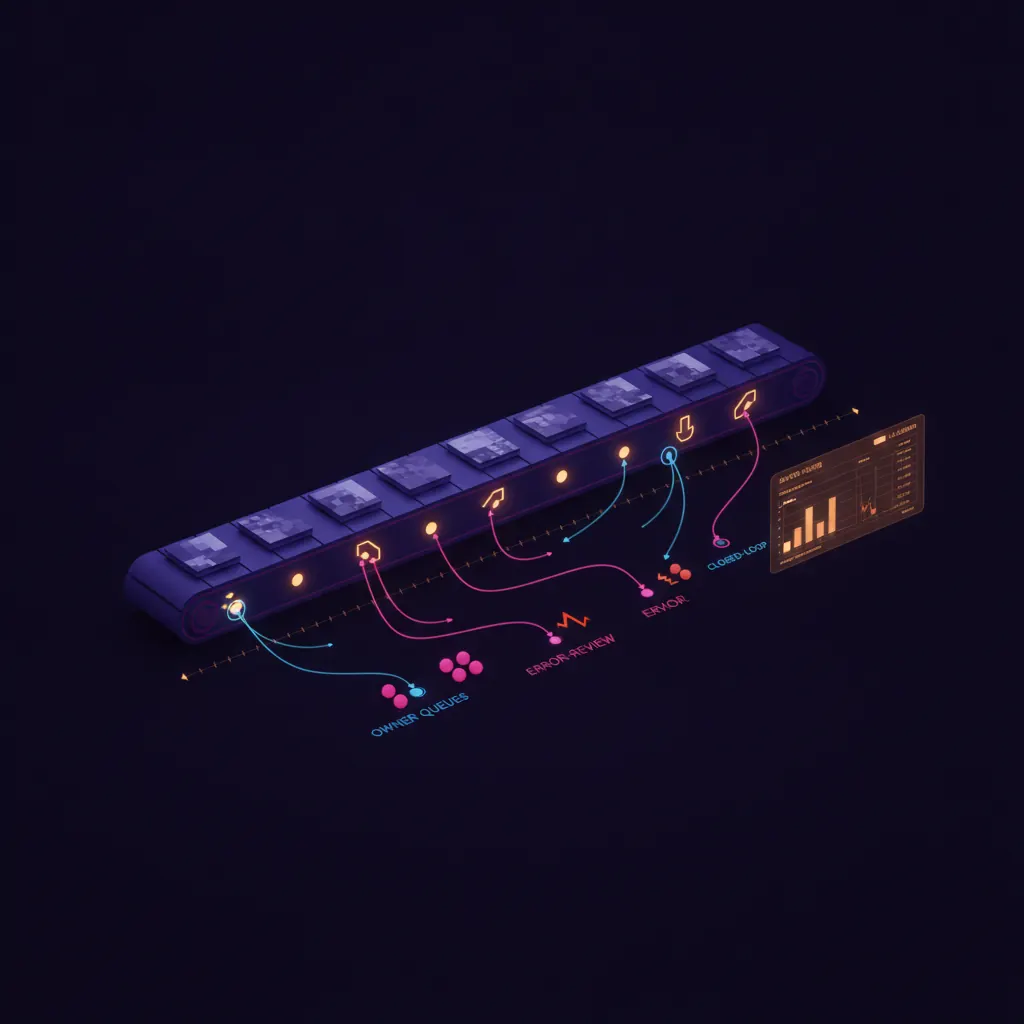
Hand the automation stack read access, the owner map, the production-flow tags, the error-severity rules, the task-cost ledger, and the audience list to a fractional AI agent. The agent reads the 420 Zaps and 142 scenarios against the error-severity rules, drafts the per-owner Monday replay ask with the three revenue-breaking errors cited, routes the Tuesday audit on the two production flows above $10K in monthly API spend, pulls the quarterly task-growth curve, and ships the Thursday ROI brief to the CFO with the three top-saved-hours flows named and the three rebuild candidates scoped. The same cadence shape runs the Monday operations brief the way the pipeline function runs for sales.
Monday error brief. The agent reads the 14 silent errors from the last 24 hours, flags the three that broke a lead-routing or billing contract, drafts the per-owner replay ask with the affected record IDs attached, and routes the Tuesday review on the two flows that errored in the same step twice this quarter. The ops lead reads one brief at 8:30 AM instead of finding the hole at 11:14 AM Wednesday.
Wednesday ownership pass. The agent reads the 142 live scenarios and 420 Zaps, pulls the 108 whose creator left or moved teams, drafts the ownership-transfer ask per flow with current task count and last successful run cited, and routes the Friday deprecation on the 42 silent for 94 days. The workspace sits at 334 owned flows by month end instead of 142 flagged and ignored.
Thursday CFO ROI brief. The agent reads the quarterly saved-hours estimate against the task log, names the three flows above 40 hours a week saved, cites the per-flow API spend against the growth curve, and drafts the rebuild scope on the three candidates where Make or n8n would run the same shape at a third of the cost. The CFO reads the brief at 8:00 AM Thursday with the three questions pre-answered instead of asking at 2:42 PM.
The unit economics
A 240-head Series C paying $74K a year across Zapier, Make, and n8n and $140K a year in a one-ops-lead-plus-one-automation-contractor team on build and chase is paying for a workflow builder and manual replay. The ops lead and automation contractor spend 20 to 34 hours a week pulling task-history exports, replaying errored runs, chasing ownership for departed builders, and drafting the Thursday brief against a loaded hour of $80 to $140. That is $7K to $19K a month of senior ops time on queue management the agent clears to a 10-minute morning review.
A 14-day sprint to stand up the agent runs in the low to mid five figures. Ongoing cost lands at $2K to $5K a month on API spend, platform read access, and a human operator who owns the Monday brief review. The ops team gets 12 to 22 hours a week back on the four decisions that move the automation line: new-flow scoping against the Slack question cluster, platform-choice calls on cost, failure-mode design on the production flows, and the quarterly rebuild sweep. The builder still renders the run log. The function ships without the task-log chase.
What changes after the sprint
Picture the same Wednesday, 11:08 AM moment, two months after the sprint ships. Your Head of RevOps opens the agent inbox. A 320-word brief reads at the top with the three silent errors from last night named, the affected lead IDs attached, and the replay routed to the owner at 7:14 AM. The 42 inbound demos from Tuesday landed in the AE queue at 7:22 AM instead of sitting in the error folder for 27 hours.
Your Head of Ops opens Monday's brief with the 108 orphan scenarios ranked by current traffic, the Wednesday ownership-transfer ask drafted per flow, and the Friday deprecation list scoped against the 42 silent for 94 days. The CFO reads Thursday's brief at 8:00 AM with the three top-ROI flows cited, the per-flow API spend against the task-count curve, and the rebuild scope on the three candidates. The Zapier dashboard sits in the second tab for the audit trail.
If your automation bill reads $74K a year and the Thursday CFO question still gets answered at 2:42 PM by a human, the version where automation runs on cadence against a working brief is fourteen days away. A builder shows a run log. A fractional AI automation function ships the brief. You can keep paying for tasks, or you can scope a sprint and have the brief landing before the next board pack.
 2026-10-16
Your Notion Is Not Knowledge Management
Notion stores 1,840 pages. Knowledge management is the function that keeps the 94 pages your team reads this quarter accurate on cadence.
 2026-10-13
Your Dashboard Is Not Reporting
Dashboards show numbers. Reporting ships the Thursday brief with the three questions pre-answered. The gap is function shape, not chart quality.
 2026-10-11
Your Marketing Calendar Has 42 Live Campaigns and Six Have Attribution Reports
Head of Marketing opens the campaign calendar Monday, 42 live campaigns in Q3, six with attribution reports, 28 running past 21 days untagged. A function nobody staffed.