Your Legal Queue Has 94 Contracts Open and GC Reviewed 11 This Month
Your GC opens the review folder Monday, 94 contracts open across vendor paper, NDAs, and renewals, 11 reviewed this month, 83 aging past 21 days. A queue nobody staffed.
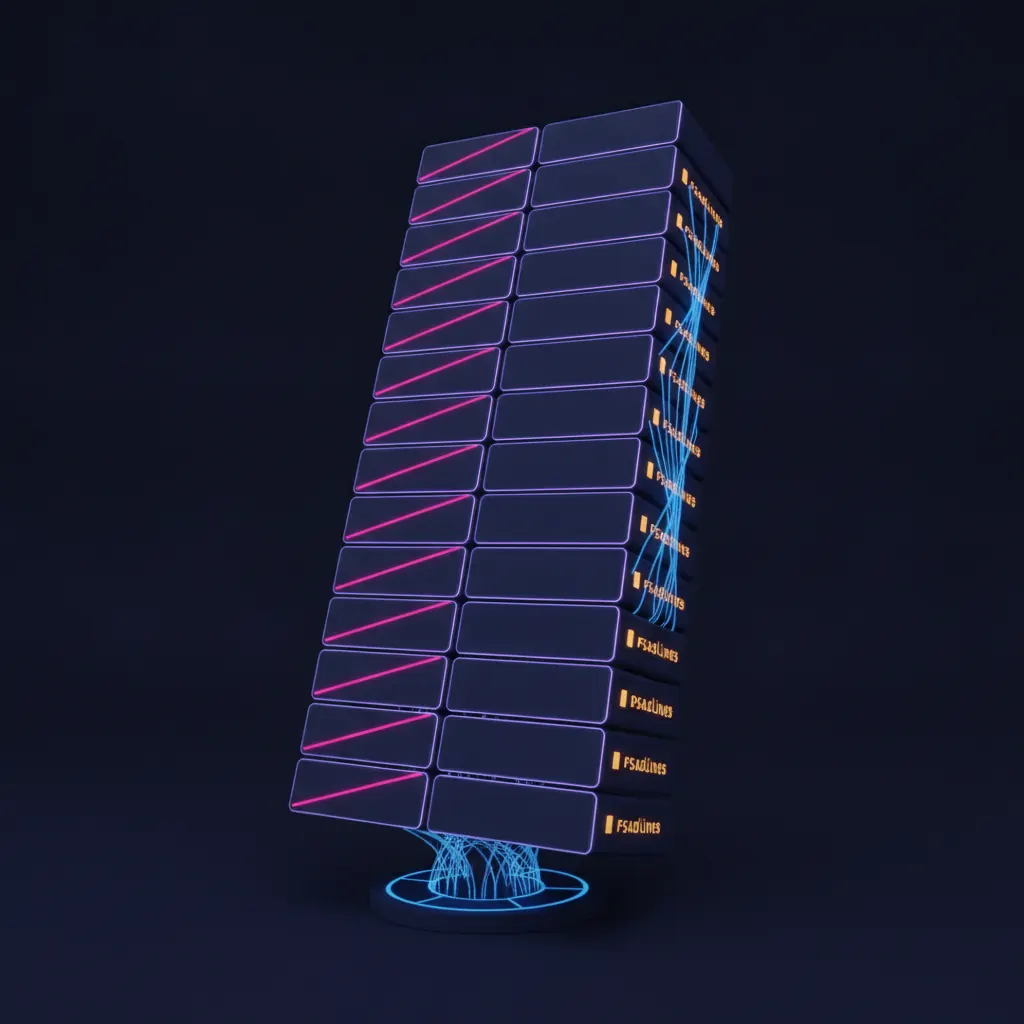
It is Monday, 8:41 AM. Your General Counsel opens the review folder before the exec sync. 94 contracts sit open across vendor paper, mutual NDAs, order forms, master agreements, and SaaS renewals. She sorts by received date. The top row reads 47 days, a vendor DPA that landed on August 19th and has three Slack nudges stacked on it. The next six rows read 38, 36, 31, 27, 24, 22. Eighty-three contracts in the queue are aging past 21 days.
She opens the review log. 11 contracts reviewed this month across her desk and the paralegal on retainer at $380 an hour. Four were board-material MSAs that pulled four hours each. Three were renewals the CFO flagged inside 72 hours. Four were NDAs she skimmed in 14 minutes between calls. The remaining 83 sat in a shared folder with no owner, no SLA, and no routing rule.
She opens the playbook document. Last updated November 2nd by an outside firm on a $42K annual retainer. 11 risk tiers, 34 fallback clauses, 7 red-flag triggers. The playbook lives in a 94-page PDF nobody on the deal desk has opened since February. The vendor master in Ironclad holds 440 executed agreements the playbook never cross-references. The DPA template on the SharePoint is still the pre-GDPR-refresh version from 2024.
Pull the quarter. 273 contracts received across Q3, 94 open, 179 closed, 41 of the 179 closed inside a 48-hour SLA, 138 closed past day 14. The CRO flags four deals slipping to Q4 on paper. The CFO flags two auto-renewals he caught 11 days before the signature window and seven he caught after. The security team flags three vendors onboarded on NDAs the GC approved without a DPA attached. The function nobody staffed is costing the business four slipped deals, nine renegotiation windows missed, and three security exceptions the audit will surface in January.
Legal review is a function. Most Series B and C teams staffed it with a General Counsel who runs the paper that matters, an outside firm on a $4K to $9K monthly retainer, a paralegal at $110 to $160 an hour on a volume contract, and a deal desk that routes paper off the CRM. The function lives in the gap between the GC who owns the playbook, the deal desk that owns the routing, the finance team that owns the renewal calendar, and the security team that owns the DPA. On the org chart it reads Legal. In practice it reads a shared folder nobody owns.
The 83-contract backlog math
Pull every contract received in the last 180 days. Log the counterparty, the paper type, the received date, the first-touch date, the first-redline date, the signature date, and the owner on each hop. Count NDAs aging past 7 days without a first touch. Count vendor paper aging past 14 days without a first redline. Count renewals landing inside the signature window with no owner assigned. Most Series B teams past 150 vendors find 55 to 70 percent of vendor paper sitting past day 14, 30 to 45 percent of renewals landing inside the 30-day signature window with no first touch, and 20 to 35 percent of NDAs aging past 7 days.
Walk one contract. The August 19th DPA landed in the shared inbox routed off the vendor master. The deal desk tagged it "GC review" and dropped it in the Legal folder. The GC's Monday 1:1 with the CRO ran over on the enterprise MSA. The paralegal was on the SaaS renewal queue the CFO flagged on the 20th. The DPA sat. The security lead pinged on the 25th. The GC flagged it for Friday. Friday was the board prep day. By September 15th the vendor had been onboarded on the NDA alone. The DPA is 47 days old and the data has been flowing for 21 of them.
The team that should own this knows it is broken. The GC runs the paper that moves revenue. The paralegal clears the NDAs that unblock discovery. The deal desk routes off the CRM stage change. The outside firm bills $420 an hour on the board-material MSAs. The security team pings on the DPA gap after the fact. The 83-contract backlog is the paper nobody charged against a cadence.
Why Ironclad and DocuSign do not review a contract
You bought Ironclad or Icertis at $48K to $140K a year for the CLM. You bought DocuSign at $18K to $42K for signature workflow. Ironclad stores the executed paper, routes the request, and tracks the lifecycle events. DocuSign ships the envelope and files the signature packet. Neither reads the vendor DPA, scores it against your playbook, flags the three fallback clauses missing from the counterparty draft, and drafts the redline the GC approves in 20 minutes.
Ironclad reports the DPA has been in "GC review" for 47 days. It does not know whether the counterparty paper matches your fallback library. DocuSign reports the MSA shipped Thursday and signed Monday. It does not score whether the limitation of liability clause landed inside your approved band. The storage layer is a storage layer. The envelope service is an envelope service. Neither is a function.
What a fractional AI legal ops function does
Hand the playbook PDF, the fallback library, the Ironclad executed-contract archive, the DPA template, the NDA template, the deal desk routing rules, the CFO renewal calendar, and the security DPA requirements to a fractional AI agent. The agent does the work a paralegal, a contracts manager, and a junior associate would do together. The cadence is per-contract on first-pass scoring, per-day on the backlog digest, per-week on the renewal calendar, per-quarter on the playbook refresh, and per-event on the signature window alerts.
Every NDA closed inside 24 hours. The counterparty NDA lands in the shared inbox at 2:14 PM. By 2:38 PM the agent has scored the paper against the standard, flagged the one non-standard assignment clause, drafted the redline, cited the matching fallback from the playbook, and routed the DocuSign envelope to the deal desk for sign-off. The GC never sees the 14-minute skim.
Every vendor paper first-passed inside two hours. The vendor DPA lands at 10:04 AM. By 11:50 AM the agent has scored the DPA against the GDPR fallback library, flagged the three missing sub-processor commitments, drafted the redline, pulled the two executed DPAs from Ironclad that closed the same gap in Q2, and shipped a 15-minute GC review packet with the risk tier scored.
Every renewal surfaced 45 days out. The Monday renewal digest lists the 11 contracts auto-renewing inside 45 days, the counterparty, the current price, the usage trend from the finance system, the renegotiation window, and the three fallback clauses the vendor accepted in the last six quarters. The CFO opens the digest at 7:30 AM Monday and the GC runs the five that matter.
Every DPA cross-checked against the vendor onboarding. The security team flags the vendor goes live Friday. By Thursday the agent has pulled the executed NDA, the DPA status, the sub-processor list, the data residency terms, and the open redline. The vendor onboards on paper, not on "we signed the NDA, DPA to follow."
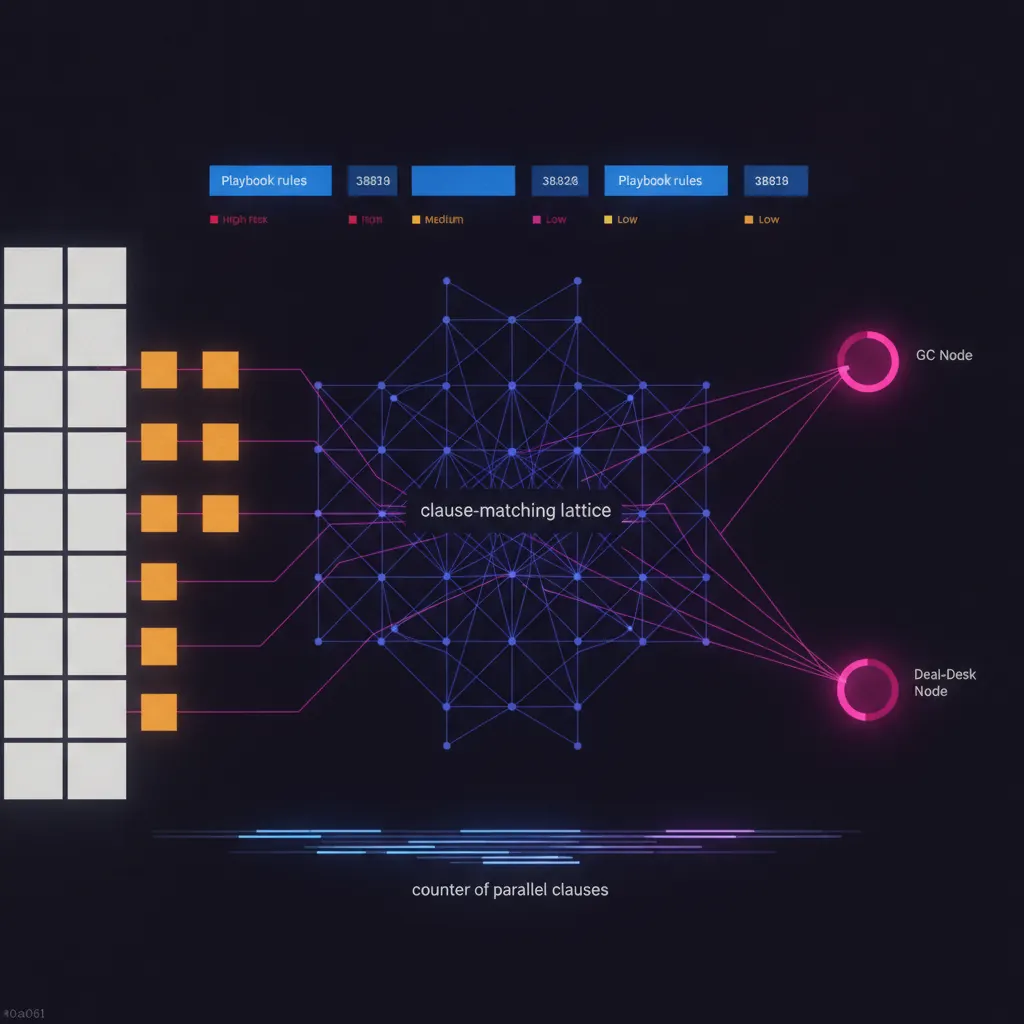
The unit economics of an 83-contract backlog
A Series B at $14M ARR running 273 contracts a quarter is burning three lines. The GC, the paralegal, the outside firm, and the deal desk clear 18 to 26 hours a week on first-pass review, backlog triage, and renewal chasing against a loaded hour of $220 to $420. That is $17K to $44K a month of senior legal time on paper a live agent clears to a 15-minute GC approval. The GC gets eight to twelve hours a week back on the paper that moves revenue.
The revenue line is the second. Pulling vendor paper cycle time from 23 days to 3 moves four to seven deals a quarter out of the slipping column. On a $92K average ACV against a 14 percent slip rate, that is $360K to $640K of pipeline the fiscal year starts closing on time. NDA cycle time compressing from 9 days to 1 unblocks discovery on an additional six to nine deals per quarter the SDR team already surfaced.
The renewal line is the third. Catching nine renegotiation windows a quarter inside the 45-day band on a $340K annual SaaS spend at an 11 to 18 percent price lift saves $37K to $61K a year. Three security exceptions avoided removes the audit finding that pulls four exec hours in January and the one DPA remediation that runs $14K to $28K through outside counsel.
A 14-day sprint to stand up the agent runs in the low to mid five figures. Ongoing cost lands at $4K to $9K a month on API spend, Ironclad API access, and tooling plus a fractional legal operator at $5K to $9K a month who owns the exception loop and the Monday backlog review. NDA scoring ships in week one. Vendor paper first-pass and the renewal digest ship in week two. The 83-contract backlog clears inside the sprint.
What changes after the sprint
Picture the same Monday, 8:41 AM moment, thirty days after the sprint ships. Your GC opens the review folder. 11 contracts open. The oldest reads 4 days, a renewal that landed Thursday with the fallback already drafted. The NDA queue reads zero. The vendor paper queue reads six, all scored with the risk tier and the redline attached. The CFO renewal digest sitting at the top of her inbox lists the five renewals landing inside the 45-day window with the usage trend and the price lever named.
By Thursday the GC reads a backlog digest that names the three contracts over 14 days, the counterparty blocker on each, and the deal-desk owner. The CFO reads a renewal digest that names the five contracts worth renegotiating against the two worth signing on current terms. The security lead reads a DPA cross-check that names the one vendor going live Friday without a signed DPA. The deal desk routes NDAs on cadence and stops pinging the GC on Slack.
If your review folder currently reads 94 contracts open with 83 aging past 21 days, the version where every NDA closes inside 24 hours and every vendor paper first-passes inside two hours is fourteen days away. Legal review is a function. You can hire a Deputy GC against it, you can expand the outside firm retainer, or you can scope a sprint and have it running this month. The work is the same. The backlog is not.
- 2026-10-05
How Prism MD Leverages AI in Rendering AI Output in 2026
AI exports from ChatGPT, Claude, and Gemini became unreadable mush. Prism MD renders the markdown correctly across models and languages. Here is the category.
 2026-09-12
Your Legal Queue Has 34 Open MSAs and Outside Counsel Bills $640 an Hour
Your GC opens the contracts folder Monday, 34 open MSAs in redline, 6 DPAs past SLA, two enterprise deals slipping the quarter. A queue nobody staffed.
 2026-09-07
Your Recruiter Sourced 340 Candidates and the Hiring Manager Reviewed 14
Your VP Eng opens the ATS Thursday, 340 candidates in the pipeline, 14 profiles reviewed in 61 days, one hire ghosted week two. A queue nobody staffed.