Your Hiring Pipeline Has 47 Candidates Nobody Called Back
Your head of talent opens Ashby Tuesday, 47 applicants on the Senior AE role, 34 uncontacted past day 12. Recruiting ops is a function you never staffed.
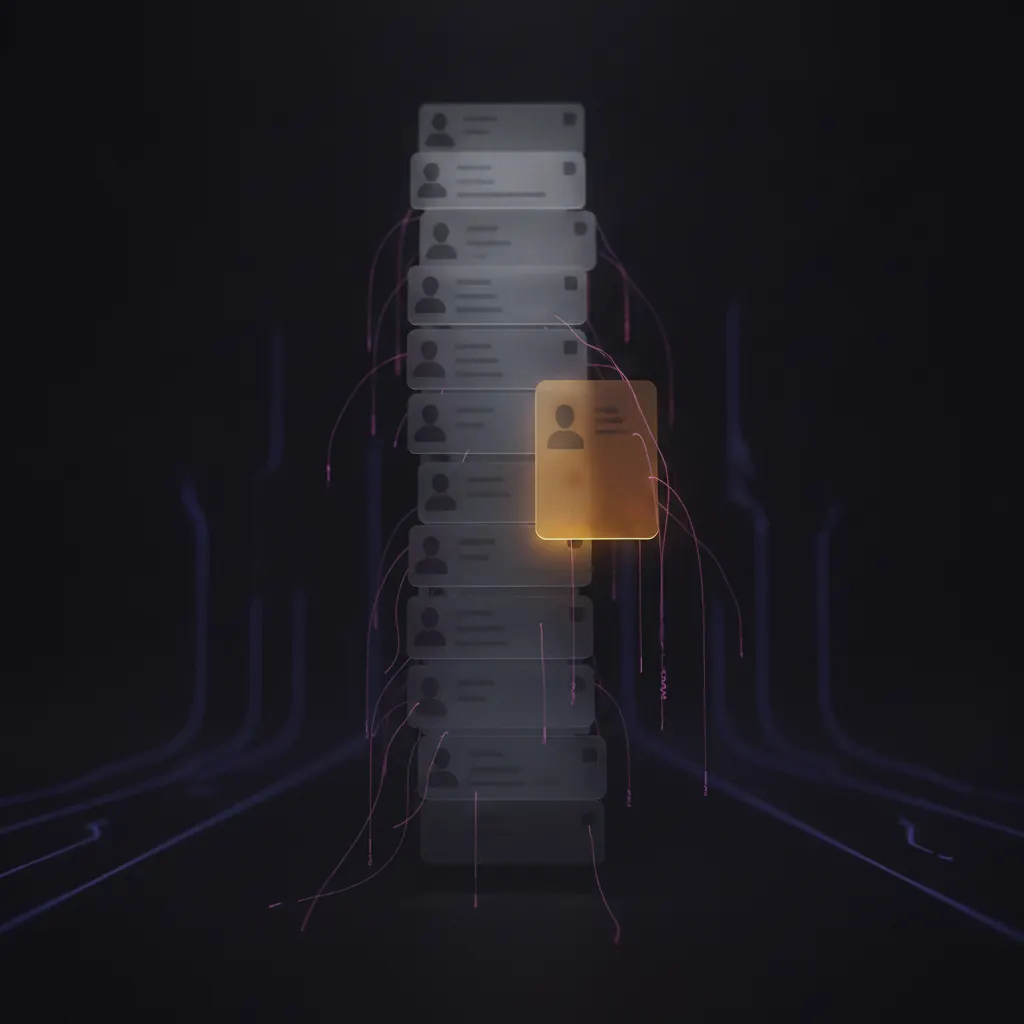
It is Tuesday, 9:41 AM. Your head of talent opens Ashby to the Senior AE requisition your CRO signed off on eleven weeks ago. 47 applicants sit in the New column. 34 of them applied more than twelve days ago. The oldest untouched application is from a candidate with three years at a direct competitor, timestamped May 3rd.
She opens the Referred column. Nine warm intros from your CRO, your board, and two customers. Six of them have not been emailed. One is a VP of Sales at a Series C portfolio company your lead investor pushed on May 21st. The thread lives in your CRO's Gmail drafts folder with two lines written.
She opens the Phone Screen column. Four candidates scheduled the interview, three showed, two got a follow-up. The one who did not show never got a reschedule ping. The scorecard from the last panel loop closed on the 4th of last month with three interviewers submitting notes and two who never opened the form.
Recruiting is a function. Most Series B and C teams have not staffed it because the first eight hires happened when the CEO knew the candidates from the last company. The pipeline grew to seven open reqs across sales, engineering, and CS in fourteen months. The function lives in the gap between the head of talent who owns the ATS, the CRO and VP Engineering who own the loops, the hiring managers who owe scorecards, the CEO who owes the closer call, and the ops lead who owns the offer letter. On the org chart it sits under People. In practice it sits inside an Ashby board that gets triaged on Mondays and forgotten by Thursday.
The 34 applications nobody opened
Pull the last six weeks of the ATS and count states. Count applications past day seven in New. Count referred candidates past day three in Contacted. Count phone screens past day five without a decision. Count panel loops closed without every scorecard submitted. Most teams past Series A find 30 to 60 applicants stale in New, 40 to 70 percent of referred pipeline stalled on a hiring manager reply, 20 to 35 percent of phone screens without a routed decision, and one in three panel loops closed with two of five scorecards missing.
Walk one req. The Senior AE role. 47 applicants. The head of talent runs a first pass on Mondays and moves eight to twelve into Recruiter Screen. The other 35 to 39 sit until they age out. The competitor-AE candidate from May 3rd never got a reply. Two weeks later a peer of your CRO poached the same candidate for a Series C fintech. The CRO heard about it on a LinkedIn post the buyer congratulated on June 18th.
The team that should own this knows it is broken. The head of talent runs seven reqs on three hours a day of screening time. The CRO owes six referral replies and answers on the weekend if at all. The VP Engineering skips two of every five debriefs because the calendar collides with sprint reviews. The hiring managers write scorecards from memory forty-eight hours after the interview. The offer letter sits in Docusign for four days after the verbal because ops routes it through the CFO and the general counsel in sequence, not in parallel.
Hiring a recruiting ops lead is the slow answer
The textbook fix is a recruiting operations lead or a senior in-house recruiter. Loaded comp in the US runs $110K to $180K a year. Months one through two go to auditing the seven reqs, mapping every hiring manager, and rewriting five job descriptions that have not moved in a year. Months three through six are when time-to-first-touch drops from twelve days to two, the ATS starts reflecting reality, and the CRO stops being the bottleneck on referred candidates.
The fractional recruiter version starts faster and stops at the same wall. Six to nine thousand a month buys twenty hours a week of sourcing and screening. The first month clears the New column and calls twelve referred candidates. The other seventy hours a week of pipeline work stay uncovered.
Both versions assume the work is a person reading, calling, and chasing. The work itself is triaging every new application against the scorecard rubric inside twelve hours, drafting a personal reply for every referred candidate in the CRO's voice from his last three months of emails, watching every phone screen against a five-day decision clock, pinging every panel interviewer with the scorecard form and the two questions they owe by 5 PM the day of the loop, drafting a debrief summary from the submitted scorecards for the hiring manager's Monday review, and routing the offer letter to the CFO and the general counsel in parallel the hour the verbal happens. On seven open reqs and a warm-referral queue that is 45 to 65 hours a week of senior recruiting operations. No single hire clears that pile and closes the CRO's six-hour weekly gap.
What a fractional AI recruiting function does
Hand the Ashby export, the CRO and hiring-manager email archives, the Slack channel where hiring debriefs land, the scorecard rubric, the offer-letter template, the compensation bands, and the Gmail thread from your lead investor to a fractional AI agent that runs on a per-event cadence with a daily sweep. The agent does the work a recruiting ops lead, a sourcer, and an executive assistant would do together. The cadence is per-application on triage, per-referral on the CRO's outbound, daily on stalled stages, per-scorecard on the debrief follow-up, and per-verbal on the offer routing.
Every application triaged within the hour. The Ashby webhook fires on submit. The agent scores the resume against the scorecard rubric, tags likely-fit candidates for a recruiter screen slot, and drafts a rejection email in the head of talent's voice for the rest. The 34 stale applicants in the Senior AE New column clear in the first afternoon.
Every referred candidate emailed in the CRO's voice by end of day. The nine warm intros pull the CRO's last three months of outbound and inbound emails to draft a personal note per referral. The CRO edits from his phone. The six unsent threads ship the day the sprint goes live. Same shape as the founder-quote pipeline on the content side, run on the recruiting side.
Every phone screen watched against a five-day decision clock. The agent flags any candidate past the clock with the specific blocker, the interviewer who owes a note, and a two-line ping for the head of talent to route.
Every panel loop debriefed the day it closes. The scorecard reminders go out at 4:30 PM the day of the loop. Missing scorecards get a second ping at 8:30 AM the next morning. The hiring manager gets a synthesized debrief with a hire or no-hire recommendation by Monday.
Every offer routed in parallel the hour the verbal happens. The CFO and the general counsel get the same offer letter draft at the same time, not in sequence. The Docusign goes out inside a day, not four.

The unit economics of a stalled pipeline
A Series B company at $22M ARR running seven open reqs is burning three specific things. The head of talent, the CRO, the VP Engineering, and the hiring managers spend a combined 22 to 34 hours a week on the triage-and-chase loop against a fully loaded hour of $180 to $310. That is $17K to $47K a month of senior time on work a live agent clears. Eight to twelve hours a week come back inside the first sprint.
The lost-candidate line is the second one. Every referred VP-level candidate your CRO does not reply to inside a week is one a peer poaches inside three. The competitor-AE hire your CRO wanted for the pod cost a Series C fintech a $220K OTE seat and cost you two quarters of quota. One flipped candidate at the AE band is $500K to $900K of missed pipeline over four quarters.
The time-to-fill line is the third. A req that takes 87 days to close at a $210K loaded seat costs $50K in delayed contribution against the same seat filled in 42 days. Across seven open reqs that gap is $200K to $350K a quarter of straight-line drag.
A 14-day sprint to stand up the agent runs in the low to mid five figures. Ongoing cost lands closer to a single recruiter retainer than a recruiting-ops hire. The Senior AE New column clears in week one. The referred-candidate replies ship in week two. The offer routing runs in parallel before the sprint closes.
What changes after the sprint
Picture the same Tuesday, 9:41 AM moment, thirty days after the sprint ships. The head of talent opens Ashby. 47 applicants on the Senior AE role, all triaged inside the last twelve hours. Nine warm referrals, seven replied, two pending the CRO's edit on his phone. Four phone screens on the calendar this week, every scorecard rubric attached to the invite.
By Wednesday your CRO edits three referral notes on the way to a customer call. The VP Engineering signs off on a scorecard from his phone during a code review. The hiring manager for the Senior AE role reads a synthesized debrief on Monday morning with a hire recommendation and one blocker to resolve. The offer letter for the Ops Lead hire routes to the CFO and the general counsel in parallel the hour the verbal happens, and Docusign fires by 5 PM.
If your ATS currently sits with 34 stale applications, six unsent CRO referral replies, and a Docusign queue that takes four days to close a verbal, the version where every new applicant gets a reply inside the hour and the CRO edits referral notes on his phone is fourteen days away. Recruiting is a function. You can hire against it, you can retain a fractional recruiter for it, or you can scope a sprint and have it running this month. The work is the same. The math is not.
 2026-10-09
Your Recruiting Pipeline Has 240 Candidates and Six Moved Stage Last Week
Head of Talent opens Greenhouse Monday, 240 candidates in-pipeline across 11 reqs, six moved stage last week, 94 sitting past 21 days. A function nobody staffed.
 2026-10-05
Your Legal Queue Has 94 Contracts Open and GC Reviewed 11 This Month
Your GC opens the review folder Monday, 94 contracts open across vendor paper, NDAs, and renewals, 11 reviewed this month, 83 aging past 21 days. A queue nobody staffed.
- 2026-10-05
How Prism MD Leverages AI in Rendering AI Output in 2026
AI exports from ChatGPT, Claude, and Gemini became unreadable mush. Prism MD renders the markdown correctly across models and languages. Here is the category.